
Annual USADA Symposium on Anti-Doping Science
Over 20 Years of
Inspiration & Innovation
Since 2002, the U.S. Anti-Doping Agency has hosted the Annual USADA Symposium on Anti-Doping Science, aimed at bringing together anti-doping experts from around the world, including guests from more than 30 countries, to inform and shape meaningful anti-doping research programs for the future.
The attendees consist of WADA-accredited laboratories, anti-doping organizations, International Federations of the Olympic and Paralympic Movement, and scientific experts in the field of interest for each particular Symposium. A limited number of attendees are invited to attend the Symposium in order to establish an ideal forum for exchanging scientific information.
The Symposium enables our attendees to stay up-to-date with the latest research and scientific developments in anti-doping and provides a unique opportunity to meet with peers and colleagues in their field.
Every year, the Symposium focuses on a key topic relevant to anti-doping science at that time.
MATTHEW FEDORUK, USADA Chief Science Officer: Science is really the foundation of anti-doping. As science advances, we need to incorporate technological changes that we then use in order to be more effective, more sensitive, more specific at detecting those doping substances.
DANIEL EICHNER, SMTRL Lab President: There’s been a lot of really good improvements in the last 20 years in anti-doping science and techniques. We try to set up a system where it’s much easier and convenient and cheaper to get these collections anywhere in the world.
MATTHEW FEDORUK: We are moving to more athlete-friendly ways of collecting samples.
ABBY RAYMOND, Team USA Weightlifting Athlete: DBS collections have improved my experience as an athlete because they are super easy, they are efficient, and completely painless.
MATTHEW FEDORUK: Athletes, by feeling confident, they can go on the field of play and know that the winners and being on the podium and the results that they see are the direct result of excellent anti-doping science, and all the research that goes into making sure samples are analyzed for all the substances and all the threats that are out there.


25th Annual
USADA Symposium on Anti-Doping Science
Peptides, Proteins, and the Proteome
September 25-28, 2025 in Chattanooga, Tennessee
Event Details
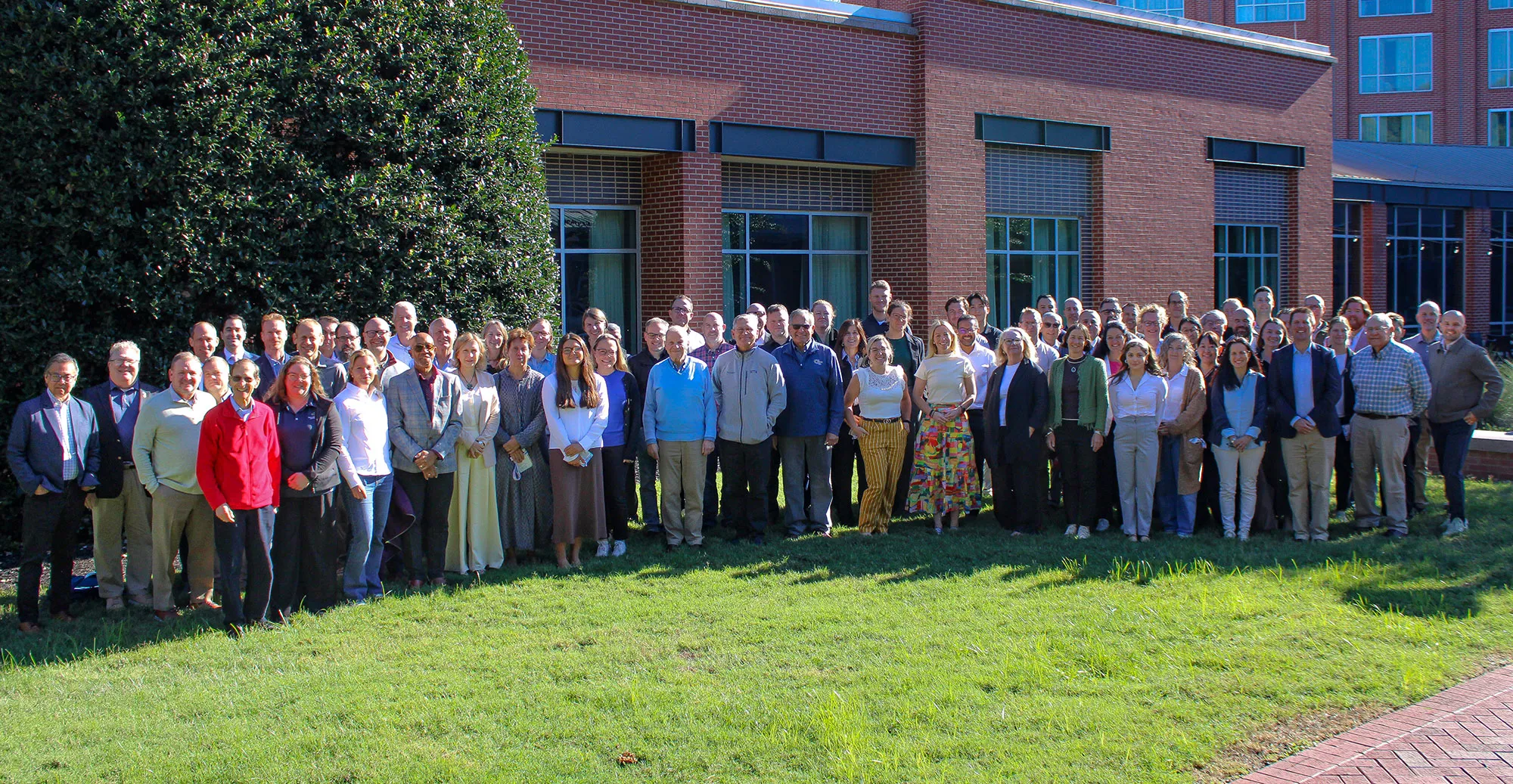
Designed to address the most pressing questions in anti-doping science, USADA’s Annual Symposium on Anti-Doping Science marked its 25th anniversary with a focus on prohibited substances that have recently exploded in popularity and accessibility—peptides and protein therapeutics.
Held in Chattanooga, Tennessee from September 25-28, the Symposium united more than 89 scientific and medical experts from 22 countries to discuss the theme, “Peptides, Proteins, and the Proteome,” recognizing that the relatively small number of positive tests for peptide hormones and related biological agents highlights a persistent complexity around detection rather than an absence of abuse.
This year, experts in analytical chemistry, clinical proteomics, medicine, legal, and investigations and anti-doping practice discussed a wide range of topics around peptide and protein drugs, including erythropoiesis-stimulating agents, growth hormone analogues, and other peptide therapeutics that can be misused to enhance performance. Participants explored both the analytical challenges around these substances, as well as the tools and techniques that laboratories are using to advance the detection and identification of complex biological agents.
Stakeholders from the following organizations participated in these important discussions:
- 19 WADA-accredited laboratories, including: Catalonian Antidoping Laboratory, German Sport University Cologne Laboratory, DoCoMo Ghent Laboratory, Seibersdorf Laboratory Austria, Sports Medicine Research and Testing Laboratory (SMRTL), University of California, Los Angeles (UCLA), and the Australian Sports Drug Testing Lab, among others
- National Anti-Doping Agencies, including Australia, Barbados, Germany, Iceland, Japan, Korea, Netherlands, New Zealand, Sweden, Switzerland, France, Canada, and the U.K.
- International Federations and the International Testing Agency
- The United States Olympic and Paralympic Committee (USOPC) and International Paralympic Committee (IPC) and LA28 Organizing Committee
- Major League Baseball, National Football League, PGA Tour, and the National Basketball Association
- Multiple universities from around the U.S. and the world that are engaged in research, including anti-doping research
- Partnership for Clean Competition
In addition to advancing practical, next-generation solutions for detecting peptide and protein drugs, the Symposium helped participants better understand the full lifecycle of an anti-doping case by witnessing a mock trial that demonstrated how scientific evidence is used during the results management process. The program also highlighted how anti-doping investigations can work in tandem with law enforcement investigations, which is critical to identifying illicit peptide suppliers.
Past Symposiums
Atlanta, Georgia – 2025
Closing the Gap Between Doping Prevalence and Detection
It’s a question that every athlete asks: Is the science keeping up with the dopers?
The U.S. Anti-Doping Agency (USADA) recently welcomed 19 expert speakers and more than 75 anti-doping and scientific experts from 23 countries to help answer that question during the 24th Annual USADA Symposium on Anti-Doping Science in Atlanta, Georgia, themed “Closing the Gap Between Doping Prevalence and Detection.”
“We were honored to yet again host experts and colleagues from around the world who are truly committed to improving the global anti-doping system so that it best serves clean athletes,” said USADA CEO Travis T. Tygart.
The theme of this year’s symposium is based on data showing that doping detection rates (measured by the percentage of adverse analytical findings, or positive tests) across Olympic and non-Olympic sports are generally below 1%, while the published prevalence rates of athletes doping in competitive sport are higher.
At the two-day symposium, participants engaged in collaborative sessions focused on closing this gap between doping detection rates and doping prevalence rates. The sessions focused on four key areas:
- Doping Prevalence Measures
- Risk-Assessment Evolution
- Analytical Detection Gaps
- Detection Effectiveness Integration
“Athletes justifiably entrust anti-doping programs to protect them from cheating and to level the playing field,” said Dr. Matthew Fedoruk, Chief Science Officer at USADA. “We must continue to challenge ourselves to use the best science to drive anti-doping practices, and that includes identifying gaps and then pivoting and innovating to meet current and future doping threats.”
Stakeholders from the following organizations participated in these important discussions:
- 12 WADA-accredited laboratories, including: King’s College London, Australian Sports Drug Testing Laboratory (ASDTL), Brazil Doping Control Laboratory, German Sport University Cologne Laboratory, DoCoMo Ghent Laboratory, Karolinska Institute Stockholm, Institute of Doping Analysis and Sports Biochemistyr (IDAS) – Dresden, Madrid Antidoping Laboratory, Seibersdorf Laboratory Austria, Sports Medicine Research and Testing Laboratory (SMRTL), Polish Anti-Doping Laboratory, LSI Medience Laboratory Tokyo, National Dope Testing Laboratory (NDTL) India, and the Swiss Laboratory for Doping Analyses Lausanne, among others
- National Anti-Doping Agencies, including Australia, Canada, France, Barbados, Denmark, Germany, Iceland, Japan, South Korea, Norway, Netherlands, New Zealand, Sweden, Switzerland, West Asia RADO/Jordan, the U.K. and iNADO
- Multiple International Federations, Integrity Units and the International Testing Agency
- The United States Olympic and Paralympic Committee (USOPC) and International Paralympic Committee (IPC)
- National Football League and Major League Baseball
- Multiple universities from around the U.S. and the world that are engaged in anti-doping research
- Partnership for Clean Competition
David Howman, former Director General of the World Anti-Doping Agency (WADA) and current Chair of the Athletics Integrity Unit (AIU), was the keynote speaker, presenting a thought-provoking and engaging presentation encouraging all in the anti-doping scientific community to work together and use creativity and collaboration to solve many pressing challenges. Dr. Andrea Petróczi, Kingston University London, also shared an overview of innovative new techniques for assessing doping prevalence, while data-driven risk-assessment solutions were presented by NADO and IPC speakers. The second day of the symposium focused on identifying and filling gaps in detection methods and new doping substances, with presentations from multiple anti-doping laboratories and university experts currently receiving global anti-doping research funding.
To reinforce the importance of this work, USADA also welcomed Olympian Anna van Brummen to share her experience with the anti-doping system after testing positive for a prohibited substance. Seeking athlete perspectives is critical to ensuring the global anti-doping system works on behalf of athletes. You can find more information about her story here.
Seattle, Washington – 2024
Anabolic Agent Action, (Ab)use and Detection: Old Problem; New Tricks?
Seattle, Washington – 2024
Anabolic Agent Action, (Ab)use and Detection: Old Problem; New Tricks?
Held in Seattle, Washington, the 23rd Annual USADA Symposium on Anti-Doping Science recently united more than 85 scientific and medical experts from 28 countries to discuss anabolic-androgenic steroids (AAS) and other anabolic agents that have taken center stage as the doping agents of choice in many sports globally.
“As always, we were honored to host experts from around the world, including our colleagues from the anti-doping community and experts from a wide range of industries, and it’s truly incredible to see what can be achieved on behalf of clean athletes when the world comes together and unites around a common goal,” said USADA CEO Travis T. Tygart. “These open, honest, and robust interactions are absolutely critical to the global anti-doping movement’s ability to advance detection methods, stay ahead of the cheaters, and best serve clean athletes.”
Stakeholders from the following organizations participated in these important discussions:
- 26 WADA-accredited laboratories, including: Catalonian Antidoping Laboratory, German Sport University Cologne Laboratory, DoCoMo Ghent Laboratory, Karolinska Institute, Sweden, Norwegian Doping Control Laboratory, Seibersdorf Laboratory Austria, Sports Medicine Research and Testing Laboratory (SMRTL), University of California, Los Angeles (UCLA), and the University of Lausanne, among others
- National Anti-Doping Agencies, including: Australia, Austria, Barbados, Denmark, Germany, Iceland, Japan, Korea, Netherlands, New Zealand, Norway, Sweden, and the U.K.
- International Federations and the International Testing Agency
- International Paralympic Committee
- National Football League
- Multiple universities from around the U.S. and the world that are engaged in anti-doping research
- Partnership for Clean Competition
When it comes to the substances of choice for those who decide to cheat, anabolic agents, such as steroids and selective androgen receptor modulators (SARMS), continue to top the list of positive tests every year. Anabolic agents, which come in forms ranging from injectables, to topical creams, to oral preparations, have unfortunately become increasingly common in the anti-aging and wellness industries, as well as illegally marketed in supplements. New designer AAS are also a constant threat, with preclinical and black-market products containing AAS dangerously accessible to consumers.
While detection methods have grown extremely sensitive in recent years, that sensitivity also makes it even more important that anti-doping agencies can accurately identify contamination scenarios from intentional doping.
As such, the Symposium focused on the direct and indirect detection of more sophisticated anabolic agents, along with strategies to combat unintentional exposure to anabolic agents through different routes of administration. International experts also discussed how to evolve testing and strategies to address the shifting threats posed by anabolic agents.
“Given the prevalence and ongoing threat anabolic agents pose to clean athletes, gathering the brightest minds from around the world is more important than ever” said Dr. Matthew Fedoruk, USADA’s Chief Science Officer. “The complexity of anti-doping work is ever growing, therefore evolution of detection and deterrence tools to combat doping threats with anabolic agents continues to be a high scientific and policy priority.”
At the Symposium, themed “Anabolic agent action, (ab)use and detection: old problem; new tricks?”, panelists and participants explored a wide range of topics, including the following:
- Professor Harrison “Skip” Pope of Harvard Medical School led a keynote presentation on how anabolic steroid use is a growing public health problem
- Medical updates on the clinical use of androgens, effects on elite sport performance and unique challenges presented with females and individuals with differences of sexual development
- Dr. Morten Hostrup of the University of Copenhagen presented new research on muscle memory due to anabolic agent use
- Multiple anti-doping laboratories shared new developments in detection strategies, including monitoring steroid metabolites and indirect steroid biomarkers in urine and blood, as well as improvements in differentiating between natural and synthetic anabolic agent (ab)use
- Important case studies were also presented by the Drug Enforcement Agency (DEA), ITA, USADA, and others.

Paris, France – 2023
Revisiting Oxygen Transport Manipulation and Blood Doping Detection: Who’s Winning?
Paris, France – 2023
Revisiting Oxygen Transport Manipulation and Blood Doping Detection: Who’s Winning?
Ahead of the 2024 Olympic and Paralympic Games, the first Games to be held in Paris in 100 years, the U.S. Anti-Doping Agency (USADA) continued its tradition of international scientific collaboration by hosting the 22nd Annual USADA Symposium on Anti-Doping Science in cooperation with Agence française de lutte contre le dopage (AFLD), the French National Anti-Doping Organization in the French capital, Paris.
The event, which took place from September 29 to October 1, gathered scientific and medical experts in hematology and anti-doping at the Pullman Paris Centre-Bercy to discuss this year’s theme, “Revisiting Oxygen Transport Manipulation and Blood Doping Detection: Who’s Winning?”
Blood doping and the use of prohibited substances to manipulate oxygen transport remain some of the most high-risk performance-enhancing doping agents in sport. Blood doping practices, such as the administration of synthetic erythropoietin (EPO), have led to some of the most well-known doping scandals in modern history, including the investigation of the U.S. Postal Service Pro Cycling Team. Despite the direct and indirect detection strategies in place, more must be done to refine and advance new detection methods.
Knowing that investment in science and research drives progress in anti-doping, USADA and AFLD hosted 110 participants from 32 countries and a variety of industries to investigate how blood doping has evolved and discuss innovative solutions to monitor and detect blood doping.
Stakeholders from the following organizations participated in these important discussions:
- 26 WADA-accredited laboratories, including: Paris, German Sport University Cologne, Laboratoire Anti Dopage Français, Norwegian Doping Control Laboratory, Sports Medicine Research and Testing Laboratory (SMRTL), University of California, Los Angeles (UCLA), and the University of Lausanne among others
- National Anti-Doping Agencies, including: Australia, Austria, Barbados, Denmark, Germany, Iceland, Japan, Korea, Netherlands, New Zealand, Norway, Poland, Sweden, and the U.K.
- International Testing Agency
- World Anti-Doping Agency (WADA)
- United States Olympic & Paralympic Committee
- International Paralympic Committee
- Major League Baseball
- National Football League
- Partnership for Clean Competition
“It’s naïve to think that blood doping doesn’t continue to be one of biggest detection challenges in protecting clean sport, and we need to ask ourselves, ‘Who’s winning? The dopers or the detectors?’” said Dr. Matthew Fedoruk, USADA’s Chief Science Officer. “Advances in biomarker discovery, instrument technology, and sample collection matrices demonstrate tremendous promise in broadening the tools available to defeat blood doping, therefore adoption of the best new detection strategies into our detection arsenal is essential.”
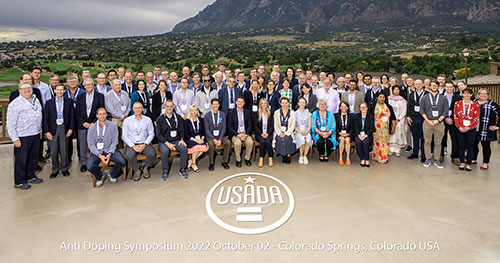
Colorado Springs, Colorado – 2022
The Elite Athlete: Differentiating Extraordinarily Normal from Abnormally Extraordinary
Colorado Springs, Colorado – 2022
The Elite Athlete: Differentiating Extraordinarily Normal from Abnormally Extraordinary
Have you ever questioned the legitimacy of an athlete’s achievement? Joined by the world’s top experts, the U.S. Anti-Doping Agency (USADA) hosted the 21st Annual USADA Symposium on Anti-Doping Science to explore how we can better differentiate between truly extraordinary achievements and those aided by doping.
Entering its third decade, the Symposium ensures the continued development of innovative, scientifically-led solutions to protect clean athletes and the integrity of sport. The following stakeholders were represented this year among the 92 registered participants hailing from six continents and more than 35 countries:
- 20 WADA-accredited laboratories including: German Sport University Cologne, Laboratoire Anti Dopage Français, Norwegian Doping Control Laboratory, Sports Medicine Research and Testing Laboratory (SMRTL), University of California, Los Angeles (UCLA), and the University of Lausanne
- National Anti-Doping Agencies including: Australia, Austria, Barbados, Czech Republic, Denmark, Germany, Iceland, Japan, Korea, Netherlands, New Zealand, Norway, Poland, Sweden, and the U.K.
- Ultimate Fighting Championship
- Major League Baseball
- National Football League
- Partnership for Clean Competition
- United States Army Research Institute of Environmental Medicine
- United States Olympic & Paralympic Committee
- World Anti-Doping Agency (WADA)
- International Paralympic Committee
- International Testing Agency
Over the course of the Symposium, experts from a wide range of backgrounds discussed key topics within the theme “The Elite Athlete: Differentiating Extraordinarily Normal from Abnormally Extraordinary.” Elite athletes have long been celebrated for their extraordinary ability to push the boundaries of human performance, both physically and mentally, in training and competition and often in extreme and challenging environments. The sub-four-minute mile, the Mt. Everest ascent without oxygen, the sub-10 second 100m, the marathon champion tennis matches – the examples of extraordinary human athletic feats in sport are endless. But in today’s sport world, it is easy for some to be conflicted about whether to celebrate or question such feats.
“To better detect doping across diverse athletes and sports, we need to increase our understanding of what is normal and abnormal across the many facets of human performance,” said Dr. Matthew Fedoruk, USADA’s Chief Science Officer. “This year, we focused on how to better identify and scrutinize the expected from the unexpected by looking at factors ranging from genes to drugs to extreme environments.”

Scottsdale, Arizona – 2021
Synergizing Anti-Doping Science and Investigations to Protect Athletes and Clean Sport
Scottsdale, Arizona – 2021
Synergizing Anti-Doping Science and Investigations to Protect Athletes and Clean Sport
Continuing a 20-year legacy of advancing scientific innovation, the U.S. Anti-Doping Agency (USADA) hosted the 20th Annual USADA Symposium on Anti-Doping Science on October 1–4 in Scottsdale, Arizona. Following last year’s fully virtual format, the 2021 Symposium offered a hybrid approach with 151 registered attendees from more than 35 countries attending both in person and virtually to advance doping detection and deterrence efforts across the world.
Over the course of the Symposium, experts from a wide range of backgrounds discussed key topics within the theme “Synergizing Anti-Doping Science and Investigations to Protect Athletes and Clean Sport.” The theme reflects the reality that synergizing the efforts and expertise of anti-doping scientists, practitioners, and investigators has become increasingly important as the sophistication of doping escalates.
Cooperation is paramount to understanding how both the scientific and investigative process can establish anti-doping rule violations, including the presence of prohibited substances, as well as sample tampering, swapping and doppelgangers, product and record falsification, lab data manipulation, and more. The investigative process may also exonerate innocent athletes through timely and focused sample or product analyses.
With this in mind, the 2021 Symposium focused on a number of critical areas, including the forensic scientific method as applied to anti-doping science and testing, advancements in the Athlete Biological Passport or other indirect markers as a tool to uncover doping, and the exposure of sources of contamination and solutions to exonerate athletes.
“We are excited to be celebrating 20 years of advancing global anti-doping science and innovation,” said Dr. Matthew Fedoruk, USADA’s Chief Science Officer. “Close cooperation between scientists, including the anti-doping laboratories, and investigators to uncover doping and implement new scientific advances to continually detect and deter doping is critical to protect athletes and sport. The USADA Science Symposium continues to bring together experts from around the globe as we strive towards our common goal.”
Agenda Highlights
- Keynote – Can anti-doping science learn from forensic science? – Challenges and opportunities for anti-doping scientists & practitioners with Dr. Claude Roux, Professor of Forensic Science at the University of Technology Sydney, and President of the International Association of Forensic Sciences.
- Application of Intelligence and Investigations to establish use violations in both Cycling and Athletics with Dr. Francois Marclay of the International Testing Agency (ITA) and Thomas Capdevielle from the Athletics Integrity Unit (AIU).
- Hearing the athlete perspective on the impact of pharmaceutical and supplement contamination on the career and well-being of Team USA athletes, moderated by Allison Wagner, Olympian and USADA’s Director of Athlete and International Relations.
- Discussing Intelligence networks between Anti-doping Organizations, Laboratories and Public Authorities with specific examples from Austria, Switzerland and Germany, followed by a lively introduction to The Rodchenkov Act and its goal to crack down on Doping Fraud and Corruption in International Sport from Paul Massaro, U.S. Helsinki Commission.
- Using Artificial Intelligence, Machine Learning and Analytics to Develop Data Driven Risk Assessments in Sport with Dr. Patrick McCreesh, founder of Simatree, and Dr. Laura Lewis and Alex Bohl of USADA’s Science team.
Virtual – 2020
Redefining Normal: Disruption, Challenges, and Opportunities for Anti-Doping Science in a Global Crisis
Virtual – 2020
Redefining Normal: Disruption, Challenges, and Opportunities for Anti-Doping Science in a Global Crisis
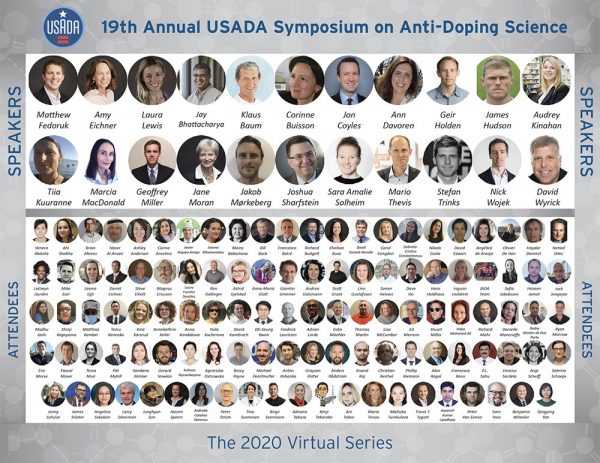
Given the ongoing effects of the COVID-19 pandemic, the U.S. Anti-Doping Agency (USADA) hosted its 19th Annual Science Symposium through five virtual video sessions held weekly between September 25 and October 23, 2020. With the virtual format, USADA was able to welcome an unprecedented number of invited participants from anti-doping organizations, laboratories, and research centers around the world.
The Virtual Series addressed the wide-ranging effects of the pandemic and the resulting global crisis, from which sport is not immune, with the theme “Redefining Normal: Disruption, Challenges, and Opportunities for Anti-Doping Science in a Global Crisis.” As anti-doping testing programs and laboratories had to quickly adapt in 2020, the symposium encouraged reflection on how to learn from the crisis to improve collaboration, build on existing scientific and program excellence, and develop resilience and novel solutions in the face of new global realities.
Presentation and Presenter Highlights
- Developing effective COVID-19 countermeasures and their impact on public health and sport with Dr. Jay Bhattacharya, a Stanford physician and economist and co-author of several seroprevalence studies on COVID-19.
- The evolution of the Prohibited List with Dr. Audrey Kinahan, the Chair of the WADA List Expert Group and an Ireland-based pharmacist.
- Hearing the athlete perspective on the Prohibited List with James Hudson, who is a Performance Nutritionist for Gloucester Rugby, a former UKAD Athlete Commission member, and a former top-level rugby union player.
- Detecting growth hormone in DBS with Dr. Geoff Miller, a past PCC Research Fellow who is currently conducting high-quality cutting-edge research at the WADA-accredited Sports Medicine Research & Testing Laboratory in Utah.
- Developing more sensitive detection methods using the power of artificial intelligence with Dr. Corinne Buisson, who is team leader of the WADA-accredited Agence française de lutte contre le dopage (AFLD Anti-Doping Laboratory) in Paris, France, and recipient of multiple research grants and scientific publications.
Tokyo, Japan – 2019
Emerging Drugs and Technologies
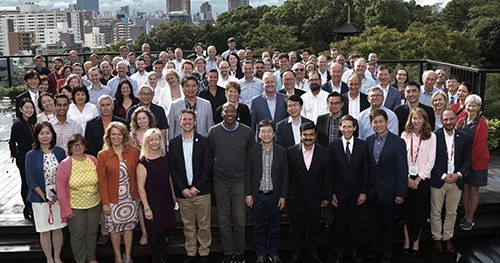
Committed to furthering scientific innovation in advance of the 2020 Olympic and Paralympic Games and beyond, the U.S. Anti-Doping Agency (USADA) hosted the 18th Annual USADA Symposium on Anti-Doping Science on October 5-7 in Tokyo, Japan. In partnership with the Japan Anti-Doping Agency (JADA), the host anti-doping agency of the 2020 Olympic and Paralympic Games, USADA welcomed 98 invited attendees from more than 30 countries.
The 2019 symposium focused on the theme “Emerging Drugs and Technologies,” recognizing that state-of-the-art technology and innovative solutions remain critical to upholding clean sport, counteracting athletes’ attempts to evade detection, and conducting credible anti-doping programs. Within this theme, speakers and attendees spent significant time on the continued improvement of practical and predictive approaches to target testing through new sample collection techniques, performance modeling, and gene doping threats, which are crucial to ensuring that organizations test the right athletes at the right time. Further, mass spectrometry was the primary area of focus on day one, as the evolution into high resolution/high accuracy instrumentation continually increases the sensitivity and specificity of target analytes with further advances in isolation, identification, multiplexing, and quantifying proteins and peptides.
“We are identifying new advances and threats in doping detection, and translating the science into practical improvements in detection and deterrence by bringing together the top scientists within the WADA-accredited laboratory network, anti-doping organizations, and most importantly, outside experts in applicable scientific fields, for the annual USADA Symposium on Anti-Doping Science,” said Dr. Matthew Fedoruk, USADA’s Chief Science Officer. “On the eve of the 2020 Olympic and Paralympic Games, we are thrilled to be partnering with long-time collaborator, JADA, to co-host this year’s symposium in Tokyo.”
During the three-day symposium, anti-doping scientists and other experts from around the world engaged in discussion to understand how the growing wealth of data, including biological, performance, and testing data, together with intelligence, can better inform and shape anti-doping testing programs for the future. Notably, USADA Athlete Biological Passport Science Manager Dr. Adam Beharry explained how USADA is using new data integration and modeling tools to better plan testing, and more effectively use limited resources to achieve the right test, at the right time, on the right athlete through the identification of high-risk sports and athletes.
Agenda Highlights
- Enhancing Mass Spectrometry Measurement of Peptides and Proteins by Manipulating Analyte Charge
- Joseph A Loo, PhD – University of California, Los Angeles
- Capillary Electrophoresis Coupled to High Resolution Mass Spectrometry: A Powerful Analytical Tool that Captures Molecules in Action
- David Chen, PhD – University of British Columbia
- Gene Therapy and Genome Editing
- Kohnosuke Mitani, PhD – Saitama Medical University Division of Gene Therapy and Genome Editing
- Gene Therapy and Related Technologies: Challenges for Anti-Doping Science
- Marcia MacDonald, PhD – World Anti-Doping Agency
- Alternative Matrices: The Current State of Dried Blood Spots – Moving Away from Venous Blood
- Daniel Eichner, PhD – Sports Medicine Research and Testing Laboratory
Chicago, Illinois – 2018
Biomarker Discovery & Application to Doping Detection & Deterrence
Chicago, Illinois – 2018
Biomarker Discovery & Application to Doping Detection & Deterrence
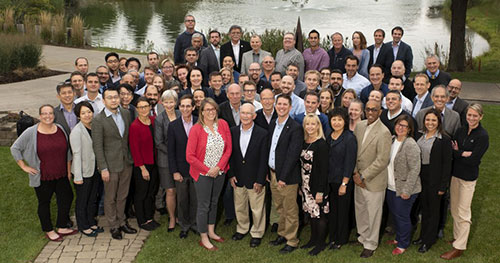
Dedicated to the advancement of anti-doping science that enhances anti-doping detection and deterrence efforts, the U.S. Anti-Doping Agency (USADA) hosted the 17th Annual USADA Symposium on Anti-Doping Science, on September 28-October 1 in Chicago, Illinois. For the 2018 program, 90 attendees from 33 countries participated.
During the Symposium, invited experts discussed highly relevant challenges in anti-doping science within the theme “Biomarker Discovery & Application to Doping Detection & Deterrence.” A biomarker in the context of anti-doping is defined as a characteristic that is objectively measured and evaluated as an indicator of normal biological processes, pathogenic processes, or pharmacologic responses to a doping intervention. The Symposium explored how traditional direct doping detection compares to efforts to discover, verify, validate and adopt sensitive and specific indirect biomarkers to facilitate effective target testing and detection.
“Anti-doping science is evolving to a forensic-based approach” said Dr. Matthew Fedoruk, USADA’s Chief Science Officer. “Identification of biomarkers that can reliably and robustly identify doping, even in the absence of a positive test, are critical to testing the right athlete, at the right time, with the right test, to maximize both detection and deterrence.”
During the three-day Symposium, invited attendees addressed biomarker discovery, verification, and validation, as well as the application to anti-doping science. Sessions were grounded in a critical examination of the experiences of clinical research experts.
Agenda
The first day of the Symposium focused on biomarker discovery and the application to disease diagnosis, which was launched with a keynote presentation from Dr. Mark Benson from Beth Israel Deaconess Medical Center on ‘Integrating biomarker profiles for less impersonal medicine.’ Dr. Anindya Dutta also shared important insights into potential new biomarkers from microRNAs, which can be detected in blood. In the afternoon sessions, Dr. Richard Holt from University of Southampton and Dr. Jakob Mørkeberg from Anti-Doping Denmark also explored biomarkers in relation to GH misuse and blood doping.
At the start of day two, attendees celebrated the presentation of the 3rd Annual Larry D. Bowers Award for Excellence in Anti-Doping Science, which was created to recognize and award the achievements of scientists who have made an impact on anti-doping scientific knowledge, approaches, and best practices. The award was presented to Dr. Matthias Kamber, former Director of Anti-Doping Switzerland.
Day two of the Symposium covered the application of biomarkers in doping control, to include sessions on ‘Urinary steroid profile (ABP) in relation to natural variation and drug administration’ from Dr. Lena Ekström at Karolinska University Hospital and ‘Urinary Metabolomic Biomarkers to Detect Doping’ from Dr. Francesco Botrè from Laboratorio Antidoping FMSI. Dr. Peter Van Eenoo from DoCoLab Universiteit Gent-UGent also presented on ‘Improving the Steroid Module of the Athlete Biological Passport.’ Additional presentations, including an update on World Anti-Doping Agency (WADA) biomarker discovery projects from Dr. Reid Aikin, were followed by lively panel and participant discussions.
The final morning of the Symposium was centered on alternate matrices and interdisciplinary considerations. Dr. Daniel Eichner from the Sports Medicine Research and Testing Laboratory started the conversation with a presentation on matrices that move beyond urine and blood, while Dr. Jordi Segura from IMIM Hospital del Mar Medical Research Institute explored growth hormone and erythropoiesis-stimulating agent biomarkers in relation to dried blood spot testing. Dr. Mark Rothstein shared a legal expert view on the classification of biomarker data and the impact of new global privacy laws with respect to the collection, privacy and protection, and sharing forensic data. Finally, USADA’s former Chief Science Officer, Dr. Bowers, wrapped up the Symposium with a presentation on strategies for anti-doping organizations in regard to implementing effective deterrence programs through indirect testing methods.
Orlando, Florida – 2017
Pharmacokinetics and Detection Windows: Interpretation of Long Term Metabolism and Excretion
Orlando, Florida – 2017
Pharmacokinetics and Detection Windows: Interpretation of Long Term Metabolism and Excretion
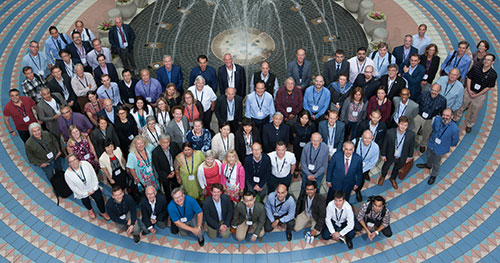
The 16th Annual USADA Symposium on Anti-Doping Science, hosted by the U.S. Anti-Doping Agency (USADA) was held September 29-October 2 in Orlando, Florida.
The invited experts traded insights on anti-doping science by exploring the theme, “Pharmacokinetics and Detection Windows: Interpretation of Long Term Metabolism and Excretion.” While effective doping deterrence is associated with extending the detection window of prohibited substances, one of the key themes of the Symposium focused on the balance between detecting ever-lower urine concentrations of prohibited substances and determining when an anti-doping rule violation has occurred. Understanding drug accumulation and long-term metabolism, and being able to model these physiological process, will assist in shaping both anti-doping practice and research.
“The Symposium is the ideal forum to bring together global scientific experts and anti-doping practitioners to continually move the needle to stay at the forefront of doping detection and deterrence,” said Dr. Matthew Fedoruk, USADA’s Senior Managing Director of Science and Research. “Diving deep into a focused scientific issue with the help of the outside expert perspective allows for novel and collaborative solutions to the scientific challenges we face, which helps protect the integrity of sport and the rights of athletes.”
Over the course of three days, attendees discussed pharmacokinetic modeling and interpretation, along with its application in anti-doping science, while also addressing related challenges and proposing solutions. This discussion covered many of the substances that currently present challenges in anti-doping, including clenbuterol, mildronate, and selective androgen receptor modulators (SARMs).
“Instrumental advances in separation science and mass spectrometry have allowed us to measure ultra-trace quantities of drug metabolites in urine,” noted Dr. Larry Bowers, USADA’s retired Chief Science Officer. “This year’s Symposium allowed us to meet with colleagues from other fields, such as environmental toxicology, to inform each other about how to deal with the pharmacological aspects of these measurements.”
Agenda
The first day of the Symposium focused on basic pharmacokinetics, with Dr. Hugh Barton presenting the keynote address on various approaches to pharmacokinetic modeling, including physiology-based pharmacokinetics (PBPK). Dr. Sihem Bihorel also discussed confounders of accumulation and elimination in drug pharmacokinetics, after which Dr. Ricardo Paxson, Dr. Dwaipayan Mukherjee, and Dr. Lesa Aylward further explored drug accumulation and elimination, as well as how to model it.
Day two of the Symposium featured sessions on long-lived metabolites and included a presentation by Dr. Marilyn Huestis on the results of her research on cannabinoid pharmacology and pharmacokinetics after chronic frequent cannabis intake, in addition to presentations by Dr. Ron Flegel and Dr. Michael Kosnett. The afternoon sessions then discussed long-lived metabolites of anabolic steroids, with a presentation on anabolic androgenic steroids by Dr. Wilhelm Schänzer and Dr. Christiane Ayotte, as well as a lecture on SARM metabolism by Dr. James Dalton. As part of a long-standing tradition, panel and participant discussions followed the presentations.
On Saturday evening, the 2017 Symposium also saw the presentation of the 2nd Annual L.D. Bowers Excellence in Anti-Doping Science Award, which was created to recognize and award the achievements of scientists who have made an impact on anti-doping approaches and best practices. The award was presented to Dr. Wilhelm Schänzer of Germany.
The final morning of the Symposium was devoted to scientific studies involving pharmacokinetics of prohibited substances and case reviews. Scientists from environmental toxicology, pharmacology, workplace drug testing, and anti-doping science concluded by recommending research and programmatic steps to advance the science of anti-doping.
Bellevue, Washington – 2016
Recovery, Repair, and Regeneration: From Steroids to Stem Cells
Bellevue, Washington – 2016
Recovery, Repair, and Regeneration: From Steroids to Stem Cells
The 15th annual USADA Science Symposium assembled more than 100 scientists and researchers from around the world to discuss the latest knowledge related to the muscle-based theme “Recovery, Repair, and Regeneration: From Steroids to Stem Cells.”
A series of presentations on the first day dealt with important changes that occur in skeletal muscle structure and molecular signaling in response to exercise or anabolic agents. The role of satellite cells (skeletal muscle-specific stem cells) in skeletal muscle regeneration and the potential role of long term “muscle memory” after anabolic steroid abuse in humans were discussed. Energy production during exercise and what role substances like meldonium and other orthobiologics may play in altering these metabolic pathways were also topic of discussion.
On day two, a review of recent studies on the impact of testosterone supplementation on muscle cell fiber hypertrophy and increases in numbers of satellite and myonuclear cells, along with decreased adipogenesis, was presented. A discussion followed dealing specifically with the beneficial role testosterone plays in men and women and the topic of male hypogonadism and female hyperandrogenism in sport.
The afternoon session focused on stem cell therapies and how they can be used to enhance recovery and regeneration of not only skeletal muscle, but also ligaments, cartilage, and bone following injury. Transcranial electrical stimulation as a form of performance enhancement was reviewed. The conference ended with a presentation on and discussion of the ethical issues of prohibition of state-of-the-art medical treatments within the rules of sport.
The 15th annual USADA Science Symposium allowed researchers to share their knowledge on therapeutic agents able to enhance skeletal muscle recovery, growth and metabolism. In addition, the Symposium also provided a forum to come together and identify new topics that may face the anti-doping community.
Voices of the 2016 Science Symposium
A Look at the Outside Experts that Shaped the 2016 Science Symposium
Lansdowne, Virginia – 2015
Designing an Effective Deterrence Program
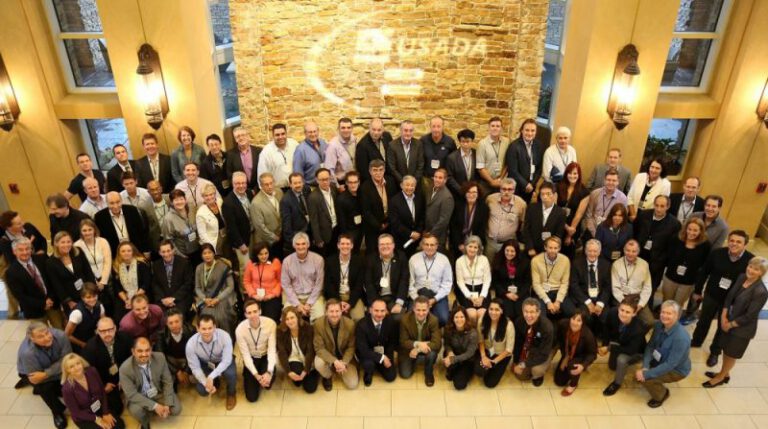
The Symposium, entitled “Designing an Effective Deterrence Program” held October 2-5, 2015 in Lansdowne, Virginia addressed the basic concepts of perceptual deterrence and how they can be integrated into practical strategies for Anti-Doping Organizations and laboratories. While the athlete community has a role to play in creating an environment that supports clean sport, the potential cost to the athlete of being caught and sanctioned is the key element in achieving deterrence.
The symposium addressed the basics of perceptual deterrence, what we know about affecting behaviors with perceptual deterrence approaches, and how to deal with “special” subpopulations. In addition, a model that links testing numbers and perceptual deterrence goals was also discussed.
Learn more about the happenings at the Symposium.
Part One: Basic Concepts of Compliance & Concurrence
Part Two: Deterrence Takes Center Stage
Part Three: A Model of Perceptual Deterrence
Held annually, the USADA Symposium on Anti-Doping Science is designed to enable the medical and science communities to gather and discuss the science behind doping with the potential for developing a uniform testing scheme, a research agenda and timeline, and to make the science and legal aspects of testing more efficient. Previous USADA symposia focused on the “Stimulation of Erythropoiesis and O2 Utilization” (2014); “Inside the Individual: Refining the Measurement of Biological Variation” (2013); “Deterring Athletes from Using Performance-Enhancing Drugs” (2012); “Detection of Growth Factors” (2011); “Emerging Technologies” (2010); “Detection of Enhancement of Oxygen Transport: Seven Years of Progress” (2009); “Mitochondria to Proteins: New Challenges for Anti-Doping Science” (2008); “Oxygen Transport and Energy Production” (2007); “Intra-Individual Reference Ranges” (2006); “Muscle Development & Recovery: Implications for Doping Control” (2005); “Detection of Human Growth Hormone Abuse in Sport” (2004); “Application of Gas Chromatography – Combustion – Isotope Ratio Mass Spectrometry to Doping Control” (2003); and “Oxygen Transport Enhancing Agents and Methods” (2002).
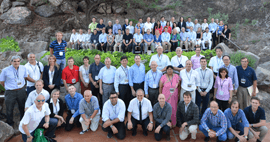
Phoenix, Arizona – 2014
Stimulation of Erythropoiesis and O2 Utilization
The symposium, entitled “Stimulation of Erythropoiesis and O2 Utilization,” discussed the body’s response to tissue hypoxia, a complex process, involving both hematopoiesis and iron metabolism. In the past decade, the hypoxia-inducible factors (HIFs) have been studied and therapeutic targets in the HIF control mechanism identified and taken to clinical trial. The observed increases in red blood cell mass appear to be only partially dependent on erythropoietin (EPO) expression. Numerous other mechanisms to alter red blood cell production, such as xenon gas, have also been reported. The original ON- and OFF-scores involved hematocrit, hemoglobin, reticulocyte percentage, serum soluble transferrin receptor concentration, and serum EPO concentration. This has been simplified to basically the hemoglobin concentration and reticulocyte percentage. It seems unlikely that such a complex system can be adequately characterized with respect to endogenous or exogenous effectors with so few biomarkers.
The Symposium addressed a variety of approaches to increasing red blood cell mass and potential detection methods. It was discussed whether our approaches to EPO detection and intra-individual longitudinal monitoring are based on a sufficient number of measurements to provide the definitive information to identify current doping strategies.
Held annually, the USADA Symposium on Anti-Doping Science is designed to enable the medical and science communities to gather and discuss the science behind doping with the potential for developing a uniform testing scheme, a research agenda and timeline, and to make the science and legal aspects of testing more efficient. Previous USADA symposia focused on “Inside the Individual: Refining the Measurement of Biological Variation” (2013); “Deterring Athletes from Using Performance-Enhancing Drugs” (2012); “Detection of Growth Factors” (2011); “Emerging Technologies” (2010); “Detection of Enhancement of Oxygen Transport: Seven Years of Progress” (2009); “Mitochondria to Proteins: New Challenges for Anti-Doping Science” (2008); “Oxygen Transport and Energy Production” (2007) “Intra-Individual Reference Ranges” (2006); “Muscle Development & Recovery: Implications for Doping Control” (2005); “Detection of Human Growth Hormone Abuse in Sport” (2004); “Application of Gas Chromatography – Combustion – Isotope Ratio Mass Spectrometry to Doping Control” (2003); and “Oxygen Transport Enhancing Agents and Methods” (2002).
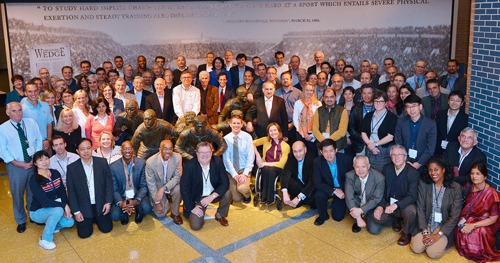
Indianapolis, Indiana – 2013
Inside the Individual: Refining the Measurement of Biological Variation
Indianapolis, Indiana – 2013
Inside the Individual: Refining the Measurement of Biological Variation
The Symposium, entitled “Inside the Individual: Refining the Measurement of Biological Variation” addressed the issue of biological variability in the areas of hematology parameters and urinary steroid concentrations. The fields of clinical chemistry and hematology have addressed individual biological variability of many blood analytes over the last three decades. Biological variability has been used to set analytical performance specifications, evaluate changes in serial results, and assess the number of samples needed to estimate the homeostatic set point. The symposium addressed environmental and other factors that could affect biological variability. Potential refinements to the system in order to enhance the application of longitudinal testing were also discussed at the Symposium.
By gathering anti-doping scientists, WADA-accredited laboratory directors and representatives of national anti-doping organizations and international sport, the USADA anti-doping science symposium was a unique opportunity to present cutting-edge anti-doping science and research, and discuss refinements to the testing, evaluation and analysis systems in order to maximize both detection and deterrence. Longitudinal monitoring of indirect biological markers of doping, sometimes including supporting non-analytical evidence, is required to effectively tackle the corresponding evolution in sophistication of doping programs. Variance in these biological markers can be the result of the use of different Prohibited Substances with similar mechanisms of action, with the downstream effect being the same. This year’s Symposium outcomes focused on ways to minimize the sources of variability in biological measurement including pre-analytical and analytical variance within-subjects and between-subjects to improve both the sensitivity and specificity of serial modeling of biological parameters relevant to anti-doping. Presentations and discussion took place at the Walter Byers Auditorium on the NCAA Campus in the beautiful city of Indianapolis, Indiana.
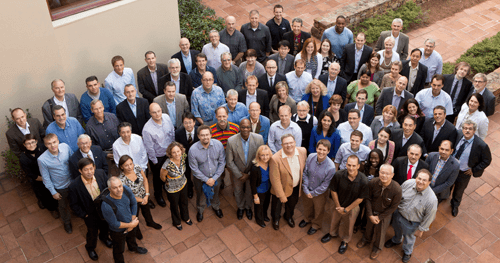
Atlanta, Georgia – 2012
Deterring Athletes from Using Performance-Enhancing Drugs
The symposium titled “Deterring Athletes from Using Performance-Enhancing Drugs.” The objective of an anti-doping program is to deter athletes from using banned performance-enhancing drugs (PEDs). One approach to deterring drug use is the perceptual deterrence model which assumes that athletes make rational decisions about drug use after weighing the risks and benefits. General deterrence is defined as what happens when detecting and sanctioning one athlete results in other athletes choosing not to use PEDs. USADA has developed an Excel-based model based on perceptual deterrence. The 2012 Annual Symposium lectures and discussions were organized to stimulate discussion about how perceptual deterrence concepts can influence sample collection strategies, guide laboratory testing and research, and impact direct and indirect sanctions to increase the risks associated with doping in a cost effective way. Held annually, the USADA Symposium on Anti-Doping Science is designed to enable the medical and science communities to gather and discuss the science behind doping with the potential for developing a uniform testing scheme, a research agenda and timeline, and to make the science and legal aspects of testing more efficient. Previous USADA symposia focused on “Detection of Growth Factors” (2011); “Emerging Technologies” (2010); “Detection of Enhancement of Oxygen Transport: Seven Years of Progress” (2009); “Mitochondria to Proteins: New Challenges for Anti-Doping Science” (2008); “Oxygen Transport and Energy Production” (2007); “Intra-Individual Reference Ranges” (2006); “Muscle Development & Recovery: Implications for Doping Control” (2005); “Detection of Human Growth Hormone Abuse in Sport” (2004); “Application of Gas Chromatography – Combustion – Isotope Ratio Mass Spectrometry to Doping Control” (2003); and “Oxygen Transport Enhancing Agents and Methods” (2002).
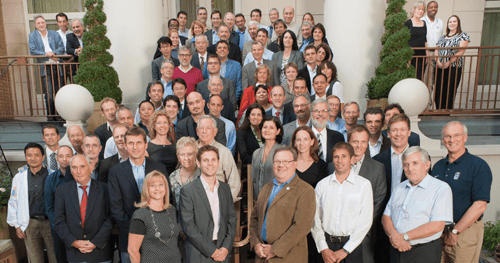
London, England – 2011
Detection of Growth Factors
“Detection of Growth Factors” was the topic for the 10th Annual Symposium on Anti-Doping Science, hosted by the U.S. Anti-Doping Agency (USADA) in partnership with U.K. Anti-Doping, October 1-2 in London, UK.
This preeminent event in the field of anti-doping science gathered over 100 scientists, laboratory directors, and sports administrators, representing renowned entities such as research institutes, international sport federations, universities, the World Anti-Doping Agency, the International Paralympic Committee, professional sports leagues, and the London Olympic Organizing Committee. Participants from nearly 30 countries attended.
With a focus on detection of growth factors, the 2011 symposium included interactive workshops and keynote addresses on specific topic areas such, as hgH isoforms and biomarkers, monoclonal antibodies to GH, serum proteins and RNA biomarkers. This dynamic and interactive annual symposium enables scientists and experts from both in and out of the anti-doping community to share their expertise, and generate vital dialogue and illumination around the present issues facing the anti-doping movement as well as into the future.
Esteemed speakers included such experts as Dr. Gerhard Baumann of Northwestern University and the Partnership for Clean Competition, Dr. Pierre-Edouard Sottas of the World Anti-Doping Agency, and Professor David Cowan of the Drug Control Centre King’s College London.
Held annually, the USADA Symposium on Anti-Doping Science is designed to enable the medical and science communities to gather and discuss the science behind doping with the potential for developing a uniform testing scheme, a research agenda and timeline, and to make the science and legal aspects of testing more efficient. Previous USADA symposia focused on “Emerging Technologies” (2010); “Detection of Enhancement of Oxygen Transport: Seven Years of Progress” (2009); “Mitochondria to Proteins: New Challenges for Anti-Doping Science” (2008); “Oxygen Transport and Energy Production” (2007); “Intra-Individual Reference Ranges” (2006); “Muscle Development & Recovery: Implications for Doping Control” (2005); “Detection of Human Growth Hormone Abuse in Sport” (2004); “Application of Gas Chromatography – Combustion – Isotope Ratio Mass Spectrometry to Doping Control” (2003); and “Oxygen Transport Enhancing Agents and Methods” (2002).
Lansdowne, Virginia – 2010
Emerging Technologies
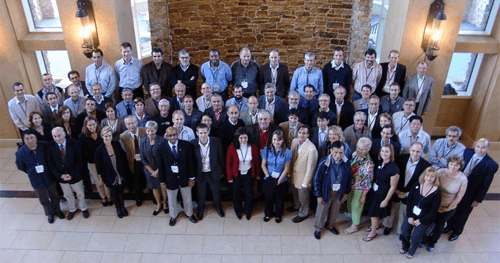
“Emerging Technologies” was the topic for the 9th Annual Symposium on Anti-Doping Science, hosted by the U.S. Anti-Doping Agency (USADA) October 2-4 in Lansdowne, Va.
Held just outside of Washington, D.C. this preeminent event in the field of anti-doping science gathered nearly 90 scientists, laboratory directors, and sports administrators, representing renowned entities such as research institutes, international sport federations, universities, the International Olympic Committee Medical Commission, the World Anti-Doping Agency, the International Paralympic Committee, professional sports leagues, and the London Olympic Organizing Committee. Participants traveled from nearly 30 countries to attend.
“This year’s symposium provided an invaluable opportunity to reflect on the advances we’ve seen in the past ten years in measurement approaches and technology, and explore emerging technological areas that affect the future of anti-doping efforts,” said Larry D. Bowers, Ph.D., USADA Chief Science Officer. “Exploration into protein and peptide compound development, study of first-hand sophisticated doping and masking techniques, and research into highly efficient but low-cost testing were all areas addressed, and that are timely amongst the global scientific anti-doping community, to facilitate more and greater advances in deterring doping.”
With a focus on emerging technologies, the 2010 symposium included interactive workshops and keynote addresses on specific topic areas such as Mass Spectrometry of Proteins and Peptides, Quantification and Characterization of Proteins and Glycoproteins, Strategies of Doping and Masking, and Low Cost, High Throughput Testing Strategies. This dynamic and interactive annual symposium enables scientists and experts from both in and out of the anti-doping community to share their expertise, and generate vital dialogue and illumination around the present issues facing the anti-doping movement as well as into the future.
Esteemed speakers included such experts as Dr. John Hess of the University of Maryland School of Medicine, Dr. Lance Liotta of George Mason University, and Dr. Jeff Walker of SomaLogic.
Additionally, former professional cyclist, Bernhard Kohl, addressed the group regarding his personal experiences with performance-enhancing drugs and methods including blood transfusions. Insights such as Kohl’s are invaluable to the anti-doping, scientific community in combating doping methods using first-hand knowledge of the practices dopers undertake in an attempt to win at all costs.
Held annually, the USADA Symposium on Anti-Doping Science is designed to enable the medical and science communities to gather and discuss the science behind doping with the potential for developing a uniform testing scheme, a research agenda and timeline, and to make the science and legal aspects of testing more efficient. Previous USADA symposia focused on “Detection of Enhancement of Oxygen Transport: Seven Years of Progress” (2009); “Mitochondria to Proteins: New Challenges for Anti-Doping Science” (2008); “Oxygen Transport and Energy Production” (2007); “Intra-Individual Reference Ranges” (2006); “Muscle Development & Recovery: Implications for Doping Control” (2005); “Detection of Human Growth Hormone Abuse in Sport” (2004); “Application of Gas Chromatography – Combustion – Isotope Ratio Mass Spectrometry to Doping Control” (2003); and “Oxygen Transport Enhancing Agents and Methods” (2002).

Vancouver, BC, Canada – 2009
Detection of Enhancement of O2 Transport: Seven Years of Progress
Vancouver, BC, Canada – 2009
Detection of Enhancement of O2 Transport: Seven Years of Progress
“Detection of Enhancement of Oxygen Transport: Seven Years of Progress” was the topic for the 8th Annual USADA Symposium on Anti-Doping Science, hosted by the U.S. Anti-Doping Agency (USADA) October 2-5 in Vancouver, B.C.
The site of the upcoming 2010 Winter Games in February, Vancouver was an ideal backdrop for this preeminent event in the field of anti-doping science. Traveling from nearly 30 countries, more than 90 scientists, laboratory directors, and sports administrators representing renowned entities such as research institutes, international sport federations, universities, the United States Olympic & Paralympic Committee, the World Anti-Doping Agency, the International Paralympic Committee, professional sports leagues, and both the Vancouver and London Olympic Organizing Committees participated in this event.
This dynamic and interactive annual symposium enables scientists and experts from both in and out of the anti-doping community to share their expertise, and generate vital dialogue and illumination around the present issues facing the anti-doping movement as well as into the future.
“The goal of this year’s symposium was to familiarize anti-doping organizations with the latest advances in testing with particular emphasis on how to implement those advances in the field,” said Larry D. Bowers, Ph.D., USADA Chief Science Officer. “We’ve seen tremendous progress in the detection of substances and methods used to improve oxygen transport over the past several years, but we must be vigilant in staying ahead of potential new methods and agents. By bringing together the greatest minds in the scientific community to explore and discuss these issues, we continue to stimulate more and greater advances in deterring doping.”
Esteemed speakers included such experts as Prof. Christiane Ayotte of the INRS – Institut Armand-Frappier; Dr. H. Franklin Bunn of Harvard Medical School; Prof. Dr. Med. Wolfgang Jelkmann of the Institute of Physiology, University of Luebeck, Germany; Dr. Mark J. Koury from Vanderbilt University; Dr. Neil Robinson of the Laboratoire Suisse d’Analyse du Dopage; and Dr. Michael N. Sawka of the U.S. Army Research Institute of Environmental Medicine.
Held annually, the USADA Symposium on Anti-Doping Science is designed to enable the medical and science communities to gather and discuss the science behind doping with the potential for developing a uniform testing scheme, a research agenda and timeline, and to make the science and legal aspects of testing more efficient. Previous USADA symposia focused on “Mitochondria to Proteins: New Challenges for Anti-Doping Science” (2008); “Oxygen Transport and Energy Production” (2007); “Intra-Individual Reference Ranges” (2006); “Muscle Development & Recovery: Implications for Doping Control” (2005); “Detection of Human Growth Hormone Abuse in Sport” (2004); “Application of Gas Chromatography – Combustion – Isotope Ratio Mass Spectrometry to Doping Control” (2003); and “Oxygen Transport Enhancing Agents and Methods” (2002).

Colorado Springs, Colorado 2008
Mitochondria to Proteins: New Challenges for Anti-Doping Science
Colorado Springs, Colorado 2008
Mitochondria to Proteins: New Challenges for Anti-Doping Science
The 2008 USADA Annual Symposium focused on three topics of importance to the future of anti-doping: performance-enhancement through manipulation of mitochondria; the use of mass spectrometry to identify and quantify prohibited proteins and peptides; and the hydration of athletes prior to doping control. Participants were able to take part in these vital discussions that continue to set the future development of anti-doping science.
Dallas, Texas – 2007
Oxygen Transport and Energy Production
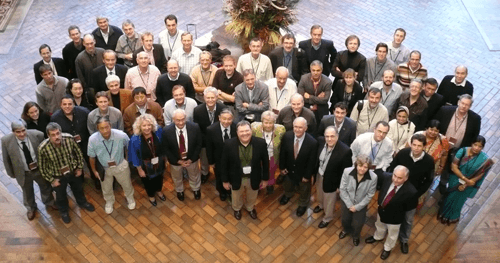
The 2007 USADA Annual Symposium focused on oxygen transport and energy production with discussions on detection of blood doping and recombinant EPO, mitochondrial manipulation, and intra-individual reference ranges and longitudinal approaches to hematological and steroid parameters. Through these dynamic sessions, participants from the medical and science communities were able to gather and discuss the science behind doping with the potential for developing a uniform testing scheme, as well as a research agenda and timeline, to make the science and legal aspects of testing more efficient.

Lausanne, Switzerland – 2006
Intra-Individual Reference Ranges
The purpose of this 5th Annual USADA Symposium on Anti-Doping Science was to discuss how to better manage sequential results from the same individual in the areas of the steroid profile and hematological profiles. The Symposium discussed new research results in these areas as well as statistical tools for evaluating results outside of the intra-individual reference range.

Chicago, Illinois – 2005
Muscle Development & Recovery: Implications for Doping Control
The purpose of this 4th Annual USADA Symposium on Anti-Doping Science was to discuss the implications for doping control given the advances made in understanding the molecular basis of muscle development, regulation, and recovery. The use of molecular biological techniques and models have created a number of opportunities for therapeutic interventions, such as within the myostatin system, which could give rise to sophisticated doping approaches. In order to stay abreast of these developments and to formulate priorities for future anti-doping research, presentations on recent advances in muscle hypertrophy and hyperplasia were heard and discussed. Strategies for development of methods for detection of these methods of performance enhancement were formulated.

Dallas, Texas – 2004
Detection of Human Growth Hormone Abuse in Sport
The purpose of the 3rd Annual USADA Symposium on Anti-Doping Science was to discuss the detection of hGH. Two approaches to detection have been developed: detection of the physiological isoforms of hGH and detection of serum markers of hGH use. The goal of the meeting was to arrive at a consensus on the soundness of the scientific foundation for detection of hGH as used to enhance sport performance.

Los Angeles, California – 2003
Application of Gas Chromatography – Combustion – Isotope Ratio Mass Spectrometry to Doping Control
Los Angeles, California – 2003
Application of Gas Chromatography – Combustion – Isotope Ratio Mass Spectrometry to Doping Control
The purpose of the 2nd Annual USADA Symposium on Anti-Doping Science was to discuss the use of GC-C-IRMS in the identification of exogenous substances entering the native metabolic pool.
Goals:
- Discuss the science supporting detection of use of “endogenous” steroids in doping;
- Discuss a strategy to optimally use GCC IRMS in doping control;
- Develop a research agenda and timeline to support the science or legal aspects of testing;
- Deliberate the potential for developing a uniform testing scheme; and
- Develop a plan to harmonize laboratory performance and reporting (including documentation packages).

Atlanta, Georgia – 2002
Oxygen Transport Enhancing Agents and Methods
The purpose of the conference held at the Emory University Conference Center was to explore the oxygen transport enhancing agents and methods being among the oldest and most effective doping techniques. New oxygen therapeutics are appearing in the clincial trials setting and will soon be available for clinical use. It is also clear that addressing only one aspect of the problem would simply alter doping behavior, not move towards a solution of the doping problem. Because of consideration of these factors, USADA’s initial Symposium on Anti-Doping Science addressed the technology of, testing for, and detection of Oxygen Transport Enhancing Agents and Methods. In general, the four sessions included discussions of detection of rHuEPO; blood packing; HBOCs, PFCs, and other alternate oxygen carriers; and longitudinal studies of hematological parameters.
Goals:
To discuss the science behind doping with oxygen transport enhancing agents and methods, the potential for developing a uniform testing scheme for them, and to develop a research agenda and timeline to eliminate any loopholes in the science or legal aspects of testing.
In Honor Of
DR. LARRY D. BOWERS

Dr. Bowers enjoyed a 25-year career in anti-doping, initially serving as the director of the IOC-accredited laboratory at Indiana University and later becoming the Chief Science Officer at the U.S. Anti-Doping Agency (USADA).
Early in his career, Dr. Bowers and his co-workers impacted anti-doping science by first describing the mechanism for the epimerization of 17-methylated steroids, which provided a method for synthesizing reference materials and led to the discovery of long-lived metabolites. Additionally, Dr. Bowers’ laboratory was the first to use LC-MS/MS in anti-doping science, conducting research on measurement of intact steroid glucuronides and sulfates, as well as prohibited peptides and proteins. Dr. Bowers devoted nearly two decades of scientific expertise to the development of the biomarkers assay for growth hormone and the LC-MS/MS methods for IGF-1.”
After joining USADA, Dr. Bowers continued his focus on the science of anti-doping and played a major role in the development of anti-doping best practices in part by writing the initial World Anti-Doping Agency International Standard for Laboratories. He also created research funding programs at USADA and then at the Partnership for Clean Competition (PCC), while also formulating and organizing the highly regarded Annual USADA Symposium on Anti-Doping Science.
While at USADA, Dr. Bowers further contributed to the field of anti-doping science by managing the science surrounding the BALCO scandal and tetrahydrogestrinone (THG). Most recently, he has led efforts to incorporate perceptual deterrence concepts into the USADA anti-doping program.
About the L.D. Bowers Award
The Annual Larry D. Bowers Award for Excellence in Anti-Doping Science is granted to an individual who has contributed to the advancement of anti-doping science over the course of their career. Qualified applicants will have contributed to anti-doping science over an extended period of time, while also demonstrating investigative independence and excellence in scientific work. The award is open to any scientist who meets the above criteria, including academic researchers and scientists who work in World Anti-Doping Agency-accredited laboratories or other settings.
Past Award Winners
The Award Selection Committee (ASC) will be composed of two members of the USADA Science staff and up to three scientists who are not employed by USADA, as well as a member of the USADA Executive Team.
The ASC will evaluate the nominees based on overall contribution to the advancement of anti-doping science and the fight against doping over their careers, as well as the impact of their work on anti-doping scientific discovery and/or policy best practices.
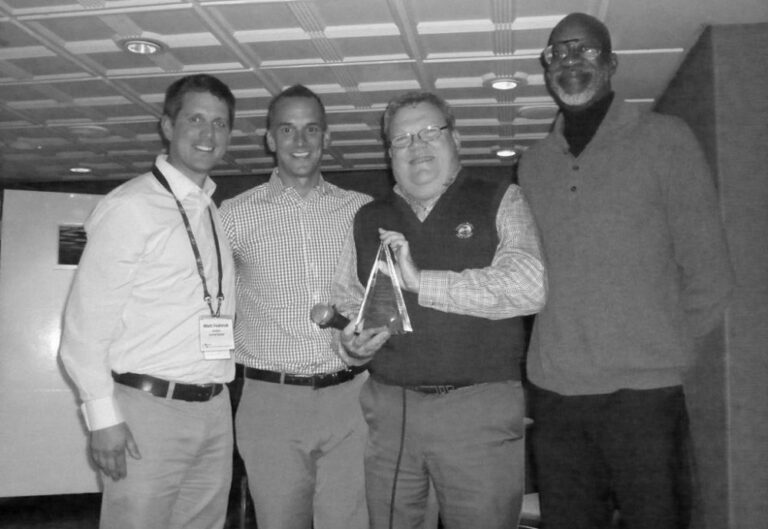
2016 | Dr. Larry D. Bowers
Dr. Larry Bowers receives the inaugural Larry D. Bowers Award for Excellence in Anti-Doping Science at the 2016 Annual USADA Science Symposium in Bellevue, Washington. From left to right: Dr. Matt Fedoruk, USADA Chief Science Officer, Travis T. Tygart, USADA CEO, Dr. Larry Bowers, former USADA Chief Science Officer, and Dr. Edwin Moses, USADA Board of Directors Chair.
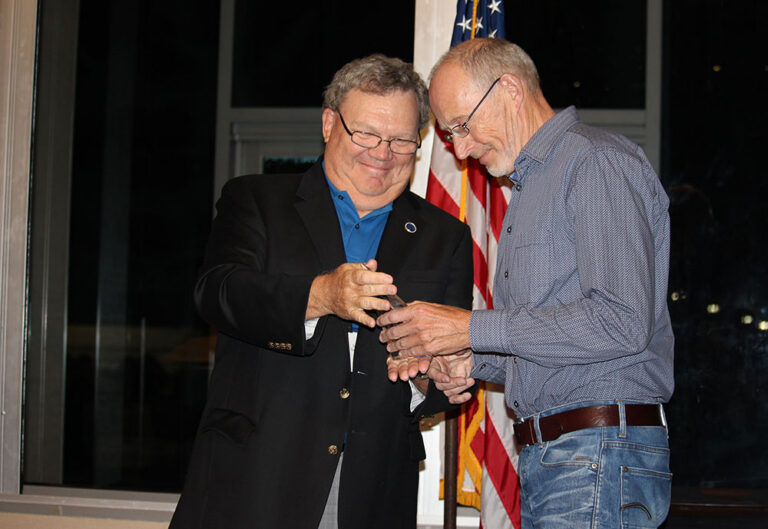
2017 | Dr. Wilhelm Schänze
Dr. Wilhelm Schänzer receives the 2nd Annual Larry D. Bowers Award for Excellence in Anti-Doping Science from Dr. Larry Bowers at the 2017 Annual USADA Science Symposium in Orlando, Florida.
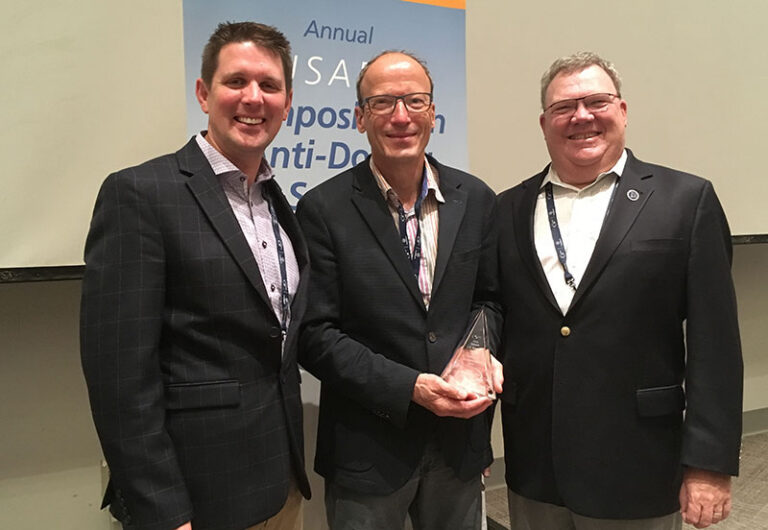
2018 | Dr. Matthias Kamber
Dr. Matthias Kamber (center) receives the 3rd Annual Larry D. Bowers Award for Excellence in Anti-Doping Science from Dr. Larry Bowers (right) and Dr. Matt Fedoruk (left) at the 2018 Annual USADA Science Symposium in Chicago, Illinois.
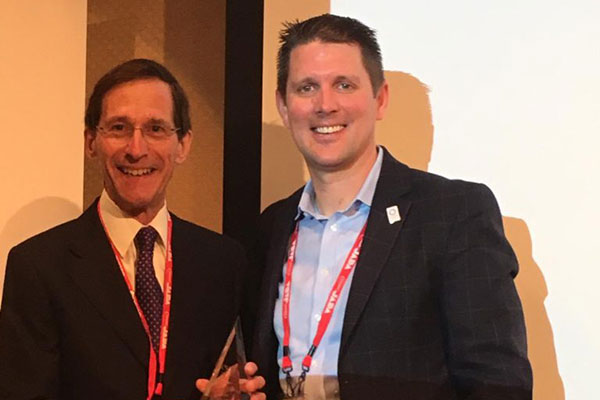
2019 | Dr. David Cowan
Dr. David Cowan (left) receives the 4th Annual Larry D. Bowers Award for Excellence in Anti-Doping Science from Dr. Matt Fedoruk (right) at the 2019 Annual USADA Science Symposium in Tokyo, Japan.

2021 | Dr. Francoise Lasne
Dr. Francoise Lasne received the 5th Annual Larry D. Bowers Award for Excellence in Anti-Doping Science at the 2021 Annual USADA Science Symposium in Phoenix, AZ. Whilst Dr. Lasne was unable to attend in person to receive her award, attendees were treated to a riveting and personal “Petite Histoire” regarding the development of the first and game-changing test for detection of erythropoietin (EPO).
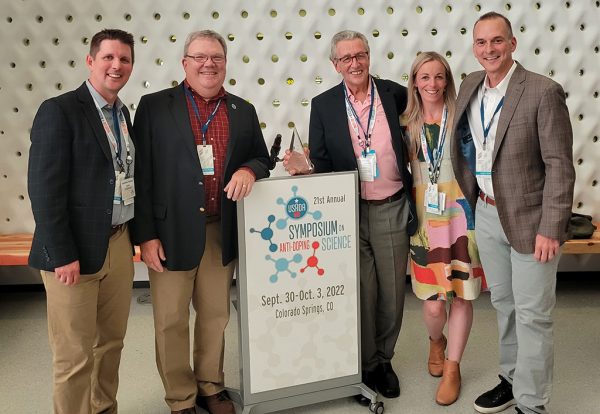
2022 | Dr. Jordi Segura
Dr. Jordi Segura received the 6th Annual Larry D. Bowers Award for Excellence in Anti-Doping Science at the 2022 Annual USADA Science Symposium in Colorado Springs, CO. Dr. Segura has led a distinguished 37-year career in the anti-doping industry, including 30 years as the director of the Barcelona WADA-accredited anti-doping laboratory.
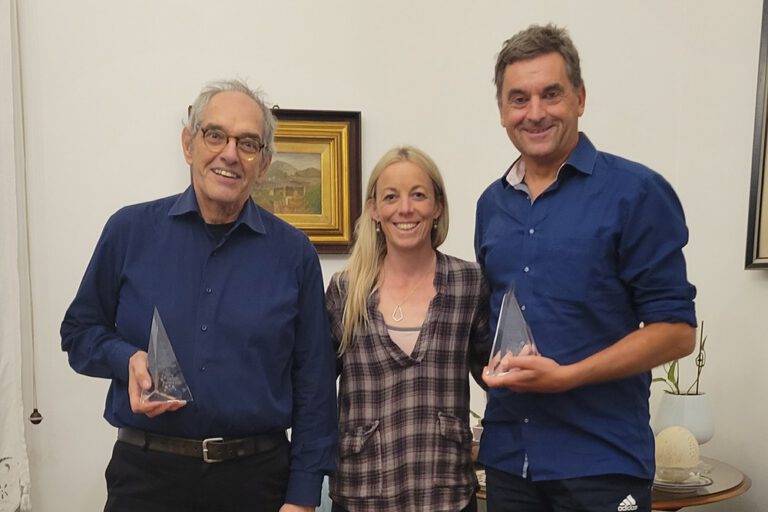
2023 | Professor Giuseppe d’Onofrio & Dr. Yorck Olaf Schumacher, MD
Professor Giuseppe D'Onofio (left) and Dr. Yorck Olaf Schumacher, MD (right) received the 7th Annual Larry D. Bowers Award for Excellence in Anti-Doping Science from Dr. Laura Lewis (center) at the 2023 Annual USADA Science Symposium in Paris, France for their role in the evolution of Athlete Biological Passport (ABP).
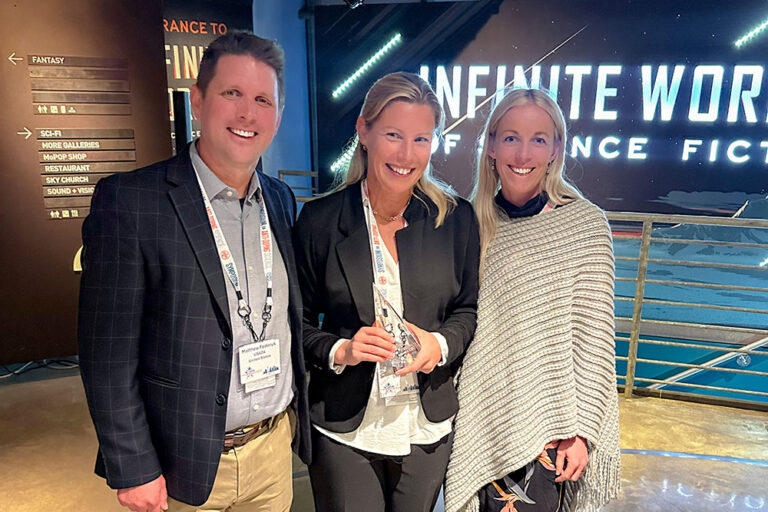
2024 | Dr. Jenny Schulze
Jenny Schulze, Ph.D. (middle) received the 8th Annual Larry D. Bowers Award for Excellence in Anti-Doping Science from Dr. Laura Lewis (right) and Dr. Matt Fedoruk (left) at the 2024 Annual USADA Science Symposium in Seattle, WA. Jenny was recognized for her work at Anti-Doping Sweden along with her research related to the development of the steroidal passport.
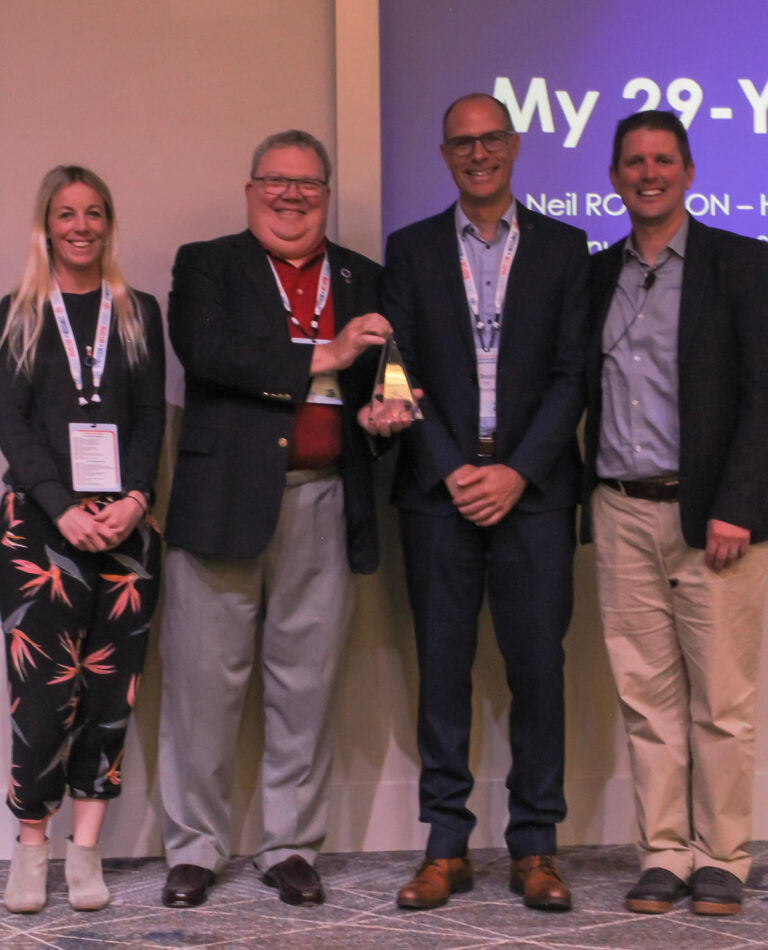
2025 | Neil Robinson, Ph.D.
Neil Robinson, Ph.D. received the 9th Annual Larry D. Bowers Award for Excellence in Anti-Doping Science from Dr. Laura Lewis , Dr. Matthew Fedoruk, and Dr. Larry Bowers at the 2025 Annual USADA Science Symposium in Atlanta, GA. Dr. Robinson was recognized for his outstanding career and contributions to anti-doping science including pioneering research related to blood doping detection and the Athlete Biological Passport.