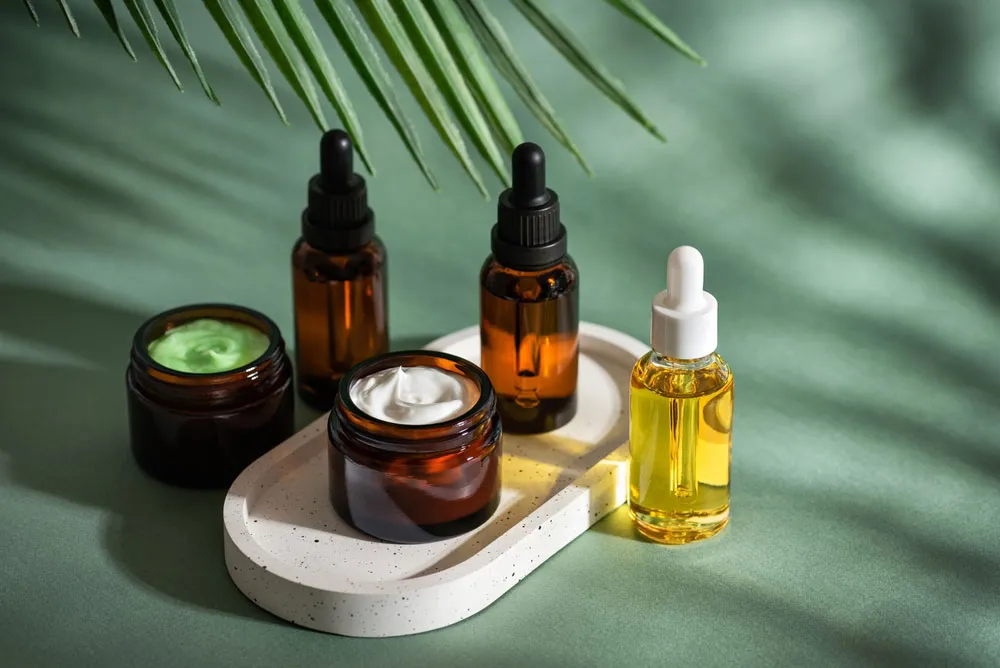
Many cosmetics, including lotions, makeup, masks, and at-home skin care treatments, advertise to contain peptides or growth factors to prevent aging and make skin look younger and healthier. Generally, cosmetics are not prohibited in sport, but some cosmetic products advertise to contain prohibited growth factors. Certain peptide growth factors are prohibited at all times, even applied topically via a lotion, cream, or cosmetic product. Read below for general information.
Are peptides and growth factors prohibited in sport?
There are thousands of known peptides (short amino acid protein chains) that have biological activity in the body, and they can be classified based on their functions. For example, growth factors are peptides known for tissue functioning, repair, and growth.
The human body creates the peptides needed for normal health. However, certain exogenous (i.e., originating from outside of the body, such as in pills or topical products) peptides and growth factors are listed on the WADA Prohibited List under the category S2: Peptide Hormones, Growth Factors, Related Substances and Mimetics. Other peptides, such as BPC-157, are prohibited under S0: Non-Approved Substances.
Always check GlobalDRO.com for the current prohibited status of a substance or ingredient.
Which ingredients used in cosmetics are prohibited?
While many bioactive or large peptides penetrate the skin very poorly via creams or serums, the WADA Prohibited List does not currently have route-dependent anti-doping statuses attached to peptides and growth factors. In other words, topical use of a growth factor or peptide is just as prohibited as injectable or oral forms.
Until further notice, athletes should avoid cosmetics that claim to contain any of the following cosmetic ingredients:
- Fibroblast Growth Factor (FGF) – often advertised to increase collagen production
- Insulin Growth Factor (IGF-1) – often advertised to increase wound healing
- Vascular endothelial growth factor (VEGF) – often advertised to increase blood flow
- Platelet derived growth factor (PDGF)
- Any other growth factor or hormone
My cosmetic lists a lot of peptide ingredients. Does that mean it’s prohibited?
Not necessarily. Most peptides are not prohibited. WADA only prohibits a few specific peptides that are, or have the potential to be, performance enhancing (listed above).
The following examples of peptide ingredients are NOT PROHIBITED:
- Hexapeptide-38
- Hexapeptide-5
- Nonapeptide-1
- Octapeptide-45
- Oligopeptide
- Palmitoyl Hexapeptide-12
- Palmitoyl pentapeptide‑4 / ‑3
- Palmitoyl tetrapeptide‑7
- Palmitoyl Tripeptide-1
- Palmitoyl tripeptide‑38
- Pentapeptide‑18
- Pentapeptide-48
- royalactin
- Tridecapeptide-1
- Tripeptide‑1 (GHK, non‑palmitoylated
Can I get a TUE for cosmetics containing peptides?
Before starting a new medication or treatment, always check the prohibited status on GlobalDRO.com. If your medication is prohibited, then you might need to apply for a Therapeutic Use Exemption. Athletes should complete the TUE Pre-Check Form to confirm whether they need a TUE before applying.
—
More questions?
For questions about specific products, substances, and methods, contact USADA’s Drug Reference Line at DrugReference@USADA.org or call (719) 785-2000, option 2.