
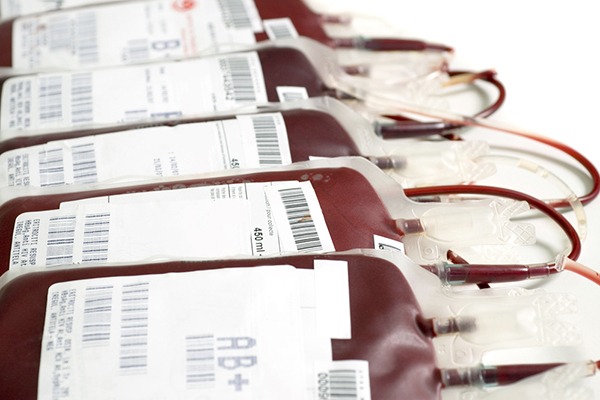
Blood doping is a term that describes the use of various substances or methods aimed at increasing the number of oxygen-carrying red blood cells in the body.
Learn more about the various prohibited methods and substances involved in blood doping in this FAQ.
What is blood doping?
Blood doping is the use of any method or substance prohibited under the World Anti-Doping Agency (WADA) Prohibited List that increases the number of red blood cells in the body. Increasing red blood cells can be achieved by physical means, such as transfusions, or by administration of pharmaceutical substances like EPO.
Blood transfusions involve physically adding additional blood into the circulatory system through an intravenous needle. The blood can either come from you (i.e., an “autologous” transfusion of blood that had previously been taken out several weeks before and stored), or from a compatible donor (i.e., a “homologous” transfusion). A transfusion results in an immediate increase in hemoglobin because the method directly adds red blood cells to the body.
Administration of pharmaceutical agents like erythropoietin (EPO) or other erythropoietic stimulating agents like Darbepoetin causes the body to increase red blood cell production, resulting in an increased amount of hemoglobin. Their effects can take weeks, resulting in a slower rise in hemoglobin in the body.
There are also other pharmaceutical agents that affect the production of EPO in the body, such as HIF stabilizers (cobalt, roxadustat), and transforming growth factor signalling inhibitors, such as luspatercept and sotatarcept.
Ultimately, the use of any of the above pharmaceuticals or physical transfusions causes an increase in hemoglobin in the blood. Since hemoglobin within red blood cells carries oxygen to the muscles, this lets the body transport more oxygen to working muscles and can increase their aerobic capacity and endurance, as well as improve recovery. All forms of blood doping are prohibited at all times under the WADA Prohibited List.
What is EPO?
EPO is a hormone made by the kidneys that tells the body to make more red blood cells when the oxygen levels are low. In medicine, synthetic EPO is used to treat anemia (low numbers of red blood cells) in people with chronic kidney disease who don’t produce enough of their own EPO. It is also used to treat anemia in cancer patients undergoing cancer treatment.
Is EPO prohibited in sport?
Yes, EPO and agents affecting erythropoiesis are prohibited at all times under S2.1 of the WADA Prohibited List. Athletes can be tested for EPO and EPO stimulating agents at any time, including the off-season.
Why is EPO prohibited?
EPO has a long history of abuse in endurance sports because of its effects on red blood cell production. Increasing the number of red blood cells in the body allows the body to transport more oxygen to muscles and increases stamina and performance. EPO has been shown to increase performance parameters, such as maximal oxygen consumption (VO2max) and time to exhaustion, which is why it’s commonly abused in endurance sports. There is also evidence of non-blood-related effects on performance due to the presence of EPO receptors all over the body.
Does EPO have any negative health effects?
EPO has significant clinical utility and therapeutic benefit when used appropriately, but its misuse to gain a performance benefit can result in serious health consequences. WADA explains that EPO thickens the blood, which “leads to an increased risk of several deadly diseases, such as heart disease, stroke, and cerebral or pulmonary embolism.” Athletes who misuse recombinant human EPO are also at risk of serious autoimmune diseases.
How long can EPO stay in a person’s system?
The amount of time EPO stays in a person’s system depends on many factors, including dose, frequency, route of administration, and the formulation of EPO used.
Some newer generation ESAs are designed to remain active in the blood for weeks rather than days to enable less frequent administration when used by clinically ill patients; thus, the detection window of these substances is much longer.
Can I get a TUE for EPO?
Yes, there are legitimate medical uses of EPO and WADA has issued guidance on TUEs for EPO in the cases of kidney failure or kidney transplantation.
What about altitude training for increasing red blood cell production?
Altitude training is a popular training tool used by athletes to naturally increase red blood cell production. Exposure to low oxygen environments increases the body’s own production of EPO, stimulating red blood cell production. If the altitude exposure continues, this can result in increased hemoglobin levels after a few weeks, which can be beneficial for sea level performance. Altitude training is not prohibited in sport, since it does not involve external administration or manipulation and there are no guarantees of success.
Have more questions?
Even when a treatment is prescribed, athletes should use GlobalDRO.com to check on the anti-doping status of any procedure or medication and determine if they need an approved Therapeutic Use Exemption (TUE). For questions about specific products, substances, and methods, you can also contact USADA’s Drug Reference Line at drugreference@usada.org or call (719) 785-2000, option 2.