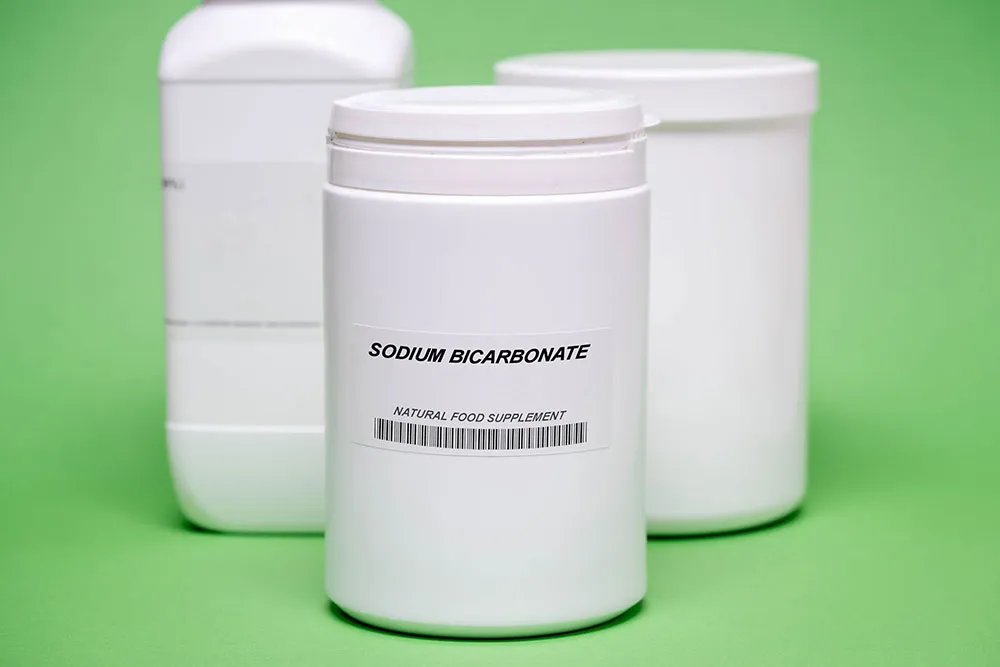
Buffers like sodium bicarbonate and sodium citrate have gained interest among athletes for their potential to help neutralize acids that build up during exercise. For athletes subject to anti-doping rules, it’s always important to be aware of the anti-doping status of any substances or methods that may enhance performance. When it comes to buffers, whether there is any performance benefit depends on the individual and their response to a very specific situation. Currently, buffers are not prohibited under World Anti-Doping Agency rules.
However, athletes can still benefit from learning about the potential pros and cons of using buffers. Continue reading to learn more about buffers.
What are buffers, like sodium bicarbonate and sodium citrate?
Buffers, such as sodium bicarbonate (baking soda), are substances that help maintain the pH (acid versus base balance) of a system. The body has several natural buffering systems, including:
- carbonic acid/bicarbonate, which is tightly linked to ventilation/respiration
- protein buffers like hemoglobin and albumin (in the blood)
- naturally occurring phosphate buffers
The natural buffering systems keep the body’s pH at 7.4, which is slightly alkaline (slightly basic), whereas a completely neutral pH (where the acid and base are perfectly balanced) is 7.
Can buffers improve sport performance?
Since muscles produce lactic acid during high intensity exercise, there is an interest in augmenting natural buffering systems with external buffers like sodium bicarbonate and sodium citrate. By loading up on a buffer prior to exercise, the body has a larger capacity to cope with the acid produced during exercise, neutralizing the acid development that results in pain and fatigue during exercise and therefore improving performance.
In some very limited situations, there is evidence that use of oral buffer supplements or foods (like baking soda, which is sodium bicarbonate) can produce improvements in performance. The Australian Institute of Sport and the International Society of Sports Nutrition both have resources that provide information on potential performance benefits and side effects of buffers as well as loading strategies for use during competition
Are buffers prohibited in sport?
Oral buffer dietary supplements like pills and tablets containing sodium bicarbonate or sodium citrate are not prohibited under the WADA Prohibited List. Keep in mind that the use of any dietary supplement is at your own risk. Make sure to visit Supplement Connect to learn how to reduce your risk of testing positive from a contaminated supplement.
Topical buffers, such as creams and lotions, are not dietary supplements but could be marketed as cosmetics or over-the-counter drugs. Always double check the ingredient label of any cosmetic product or over-the-counter medication before using to make sure there are not any prohibited ingredients in the product.
Finally, be aware that any recovery or buffer treatments that include intravenous (IV) infusions or injections exceeding 100 mL (about 3.4 fluid ounces) total per 12-hour period are strictly prohibited. Learn more about the rules around IVs here.
Are there side effects from using sodium bicarbonate?
Yes. The most common side effect is gastrointestinal upset (e.g., bloating, nausea, vomiting, abdominal pain, diarrhea). For some individuals, the side effects are harmful to performance, so whether buffers are beneficial really depends on the athlete, the dosage, and the specific exercise.
Can I get a TUE for buffers?
A TUE is not necessary since sodium bicarbonate and sodium citrate are not prohibited in sport.
—
More questions?
For questions about specific products, substances, and methods, contact USADA’s Drug Reference Line at DrugReference@USADA.org or call (719) 785-2000, option 2.
Further Reading