

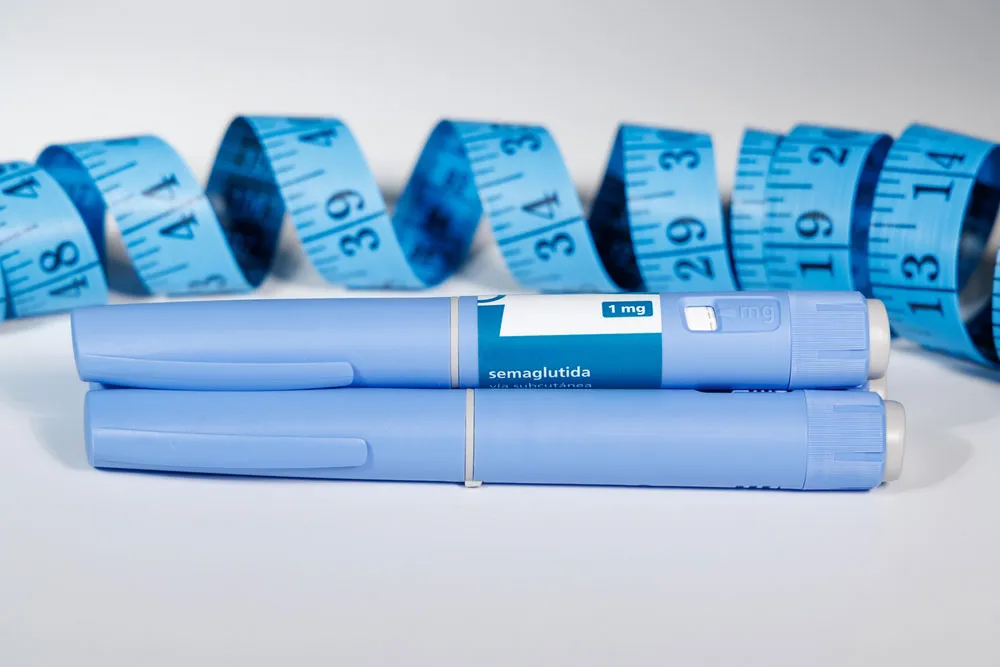
Weight loss drugs containing GLP-1 agonists have exploded in popularity in recent years, gaining the interest of consumers for usage far beyond the FDA-approved purpose to treat type 2 diabetes and obesity. This widespread and off-label interest in weight loss drugs has also led to an explosion of unapproved products available online and via social media, which do come with safety risks for consumers.
While GLP-1s are currently permitted in sport, it’s important for athletes to know that the World Anti-Doping Agency (WADA) is monitoring the use of GLP-1 agonists by athletes to determine if they should be prohibited in the future. Keep reading to learn more about the status of GLP-1s in sport and the risk of unapproved products available online without a prescription.
What are GLP1s?
GLP-1 agonists, such as semaglutide (Ozempic, Wegovy), dulaglutide (Trulicity), and exenatide (Byetta), affect the body in several ways. They help the body release insulin, slow down how quickly the stomach empties, and reduce how much food people eat. These medicines have been shown to improve blood sugar control in people with diabetes and help with weight loss in people who are overweight or obese.
Are GLP-1s prohibited in sport?
GLP-1s are not prohibited in sport. However, WADA is currently monitoring and evaluating the use of GLP-1 agonists by athletes to determine if they should be prohibited in the future. It’s also important to recognize that there are many unapproved GLP-1 products available to consumers that come with significant safety risks (described below).
Do I need a Therapeutic Use Exemption (TUE) to use GLP-1s?
No, you do not need a TUE for any GLP-1 because GLP-1 agonists are not prohibited in sport.
What are the medical uses for GLP-1 agonists?
The FDA has approved several GLP-1 agonist medicines for different uses. Sometimes the same main ingredient is sold under different brand names, and each is approved to treat a specific condition. This can be confusing. The table below shows the GLP-1 agonists currently available in the U.S. and what each one can be prescribed for.
| Active ingredient | Brand name(s) | Main FDA‑approved indications (simplified) |
| Semaglutide | Ozempic | Type 2 diabetes; improvement of glycemic control; reduction of major adverse cardiovascular events in adults |
| Wegovy | Chronic weight management in adults and adolescents over 12 years old with obesity or overweight plus comorbidity; reduction of cardiovascular events | |
| Rybelsus (oral forumation) | Type 2 diabetes; improvement of glycemic control | |
| Tirzepatide (dual GIP/GLP‑1) | Mounjaro | Type 2 diabetes; improvement of glycemic control in adults |
| Zepbound | Chronic weight management in adults with obesity; approved adjunct to diet and exercise; weight related obstructive sleep apnea | |
| Liraglutide | Victoza | Type 2 diabetes; improvement of glycemic control; reduction of cardiovascular events in adults with type 2 diabetes and high cardiovascular risk |
| Saxenda | Chronic weight management in adults and adolescents (≥12 years) with obesity or overweight plus comorbidity, as adjunct to diet and exercise. | |
| Dulaglutide | Trulicity | Type 2 diabetes; improvement of glycemic control; reduction of major adverse cardiovascular events in adults with type 2 diabetes |
| Exenatide | Byetta | Type 2 diabetes; improvement of glycemic control (twice daily injection) |
| Exenatide ER | Bydureon BCise | Type 2 diabetes; improvement of glycemic control (once weekly ER injection) |
| Orforglipron | Foundayo | Obesity with or without other weight-related health problems (Oral/pill) |
As the chart shows, GLP-1s can only be prescribed for chronic weight management associated solely with obesity or a combination of obesity and glycemic control in people with type 2 diabetes. Importantly, there are no GLP-1 agonists that are approved to “just lose a few pounds” or for minimal or cosmetic weight loss. All prescribed GLP-1 agonists require close monitoring by physicians in order to recognize and deal with adverse effects.
What are the side effects from GLP-1s?
The most common side effects of GLP-1s are nausea, vomiting, diarrhea, and abdominal pain. Pancreatitis and biliary disease have also been reported. Hypersensitivity at the injection site, and anaphylaxis (serious allergic reaction) can also occur. Worryingly, there are many creators on social media who report serious side effects requiring hospitalization (such as pancreatitis) caused by self-administering GLP-1 agonists that they purchased online without a prescription.
Athletes might face additional side effects relating to sport performance. A recent article has suggested that appetite suppression may make it hard for some athletes to eat enough for all of their caloric and nutritional needs, so special care should be taken by athletes on GLP-1s.
What are some red flags that I might be using an unapproved GLP-1 agonist?
In order to be prescribed a GLP-1 agonist, you should be properly diagnosed by a doctor for the conditions for which the drug is FDA-approved, and then you should be prescribed the FDA-approved version of the drug. If you have purchased the drug yourself online without meeting with a physician, that could be a red flag.
Furthermore, any of the following red flags below may indicate you are using an unapproved version of the drug:
- The website, clinic, or pharmacy claims to offer “generic” versions of Ozempic, Wegovy, Zepbound, or any other GLP-1 agonist. There are currently no legal generic versions.
- The product is compounded, or the seller offers “compounded” versions of GLP-1 agonists.
- The website offers non-injectable GLP-1 patches, gummies, or oral versions (pills, tablets)
- The GLP-1 agonists are labelled as “research only” or as “research chemicals”
If any of these red flags apply to a product you are using, you should seek medical advice from a board-certified physician.
What are the safety issues with unapproved versions of GLP-1 agonists?
There are several safety issues related to unapproved versions of GLP-1s. First, the FDA has uncovered many cases where the drug ingredient claimed on a label was not what was actually in the product. Instead, the FDA found different ingredients in the product, such as salt forms of GLP-1 agonists, which are different chemical entities. The FDA has also uncovered cases where the pharmacy on the label of the product does not actually exist. There have also been dosing errors caused by patients miscalculating and self-administering dangerous levels of unapproved drugs, leading to serious side effects and hospitalization.
—
More questions?
For questions about specific products, substances, and methods, contact USADA’s Drug Reference Line at drugreference@USADA.org or call (719) 785-2000, option 2.