

As a part of competitive sport, many elite athletes must comply with the World Anti-Doping Agency (WADA) Prohibited List, strict global standards that prohibit the use of certain substances and methods that can enhance performance and/or cause negative health effects. The WADA Prohibited List helps ensure that athletes can compete on a level playing field anywhere in the world.
It’s important for athletes to recognize that even prescription medications can contain prohibited ingredients, including substances like clomiphene, and that a prescription alone does not permit athletes to use the medication in sport. Keep reading to learn more about clomiphene and how athletes can comply with anti-doping rules.
What is clomiphene?
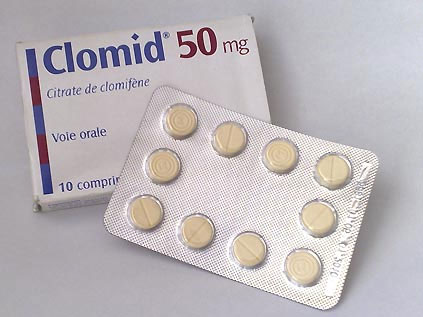
Clomiphene is a selective estrogen receptor modulator (SERM) commonly used in female fertility brand name prescription medications, such as Clomid. In women, clomiphene acts on the pituitary gland to stimulate the release of specific hormones responsible for ovulation. In men, clomiphene can alter testosterone levels by changing how the brain and glands control hormone production.
In clinical applications, clomiphene is used as an FDA-approved fertility treatment, and Clomid is indicated by the FDA “for the treatment of ovulatory dysfunction in women desiring pregnancy.” It may be used by women trying to become pregnant if they have medical conditions like polycystic ovary syndrome (PCOS), which prevents ovulation from happening naturally.
In contrast, clomiphene is not FDA-approved for use by men for any condition. On the most recent Clomid product insert, the FDA states that there are “no adequate or well-controlled studies that demonstrate the effectiveness of Clomid in the treatment of male infertility.” However, it may be prescribed off-label, meaning that a doctor may prescribe a medication for a use that is not indicated on the FDA’s approved packaging insert or label. Once the FDA approves a drug, healthcare providers can typically prescribe the drug for an unapproved reason when they judge that it is medically appropriate for their patient.
Is clomiphene prohibited in sport?
Yes, under the World Anti-Doping Agency Prohibited List, clomiphene is prohibited at all times for both men and women as an anti-estrogenic substance in the S4 Category of Hormone and Metabolic Modulators.
Clomiphene has also appeared as an undeclared ingredient in black market products sold on the internet for performance-enhancing use. Athletes should be aware that there may be serious health risks and quality control issues associated with buying medications from suppliers other than licensed pharmacies or physicians.
What are the health risks associated with clomiphene?
In females who are using clomiphene for fertility treatment, a variety of side effects are commonly reported in connection with hormone stimulation and the reproductive system.
In males, similar to other substances with anabolic properties that lead to increased muscle mass, clomiphene is associated with many serious side effects, including increased risk of negative cardiovascular events, liver damage, and gastrointestinal discomfort. Testicular tumors and gynecomastia have also been reported in males using clomiphene, but the cause-and-effect relationship between reports of testicular tumors and the administration of clomiphene is not known.
It’s important to note again that the health risks and potential side effects in men have yet to be determined through long-term studies.
Is clomiphene in dietary supplements?
Clomiphene is a prescription drug, and it is illegal to sell a dietary supplement with a drug in it. However, there are illegal dietary supplements and products advertised as “Research Chemicals” on the market that advertise to contain clomiphene. Athletes should avoid such products, as use could result in a positive anti-doping test and adverse health effects.
What if I need to use clomiphene to treat a diagnosed condition?
Over the course of their career in sport, athletes may have medically justified illnesses or conditions that require them to use a particular medication or undergo treatment. If the substance or method appears on the WADA Prohibited List, like clomiphene, athletes may apply for a Therapeutic Use Exemption (TUE), which gives them permission to take a prohibited substance or use a prohibited method for a specified time period.
Similar to other drugs, clomiphene and its metabolites may persist in an athlete’s body well after treatment has been completed, so it’s important that an athlete apply for a TUE for clomiphene in advance of using this medication, regardless of the reasons for its prescription and use.
To apply for a TUE, an athlete must provide a complete application, including medical documentation and a supporting diagnosis. TUEs are reviewed by an independent TUE Committee, which determines if a substance or method meets the WADA International Standard for TUEs criteria.
More questions?
For questions about specific products, substances, and methods, contact USADA’s Drug Reference Line at DrugReference@USADA.org or call (719) 785-2000, option 2.