Athletes play a critical role in the anti-doping process by taking steps and following rules that uphold clean sport, from checking medications on Global DRO, to filing Whereabouts, to complying with sample collection procedures.
Failing to abide by these responsibilities may lead to anti-doping rule violations, such as a positive test or Whereabouts Failure, but it’s important for athletes to remember that failing to comply with sample collection procedures can also lead to violations with equally serious consequences.
Here’s what athletes and their support personnel need to know about their responsibilities during sample collection, what actions may be considered failures to comply, and the consequences for such violations.
Athlete Responsibilities During Sample Collection
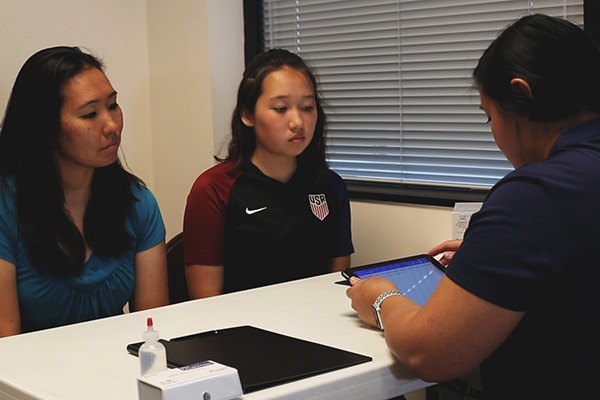
Athletes have many rights during the sample collection process, and they also have responsibilities under the International Standard for Testing and Investigations (ISTI). During sample collection, athletes are responsible for:
- Complying with the sample collection procedures and instructions from ALL sample collection personnel
- Reporting immediately to the doping control station unless there are approved reasons for delay
- Presenting government issued photo identification at the time of notification
- Staying in direct observation of the Doping Control Officer (DCO) or notifying chaperone from the time of notification until the sample collection session is complete
Keeping the collection vessel in their possession and in view of the DCO at all times
- Having control of the sample until it is sealed in the sample collection bottles (the DCO may assist upon request)
- Ensuring the sample code number is correctly documented on the sample collection documentation
- Completing and signing all appropriate sample collection documentation
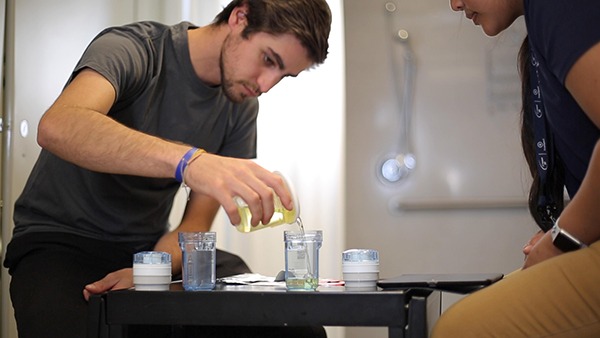
It’s especially important for athletes to remember that under the World Anti-Doping Code (the Code), they are required to provide a sample at any time and at any place. It is an athlete’s responsibility to be available for testing and comply with the relevant rules.
If athletes have concerns or experience difficulty complying with these responsibilities during a sample collection session, they should ask to speak with a USADA staff member immediately.
Failures to Comply with Sample Collection
The Code defines several violations that may result if athletes fail to uphold their responsibilities and comply with sample collection protocols. Under the Code, USADA is obligated to investigate every report of athlete non-compliance from a DCO.
Under Article 2.3 of the Code, it is an anti-doping rule violation to evade, refuse, or fail to submit to sample collection.
Examples of these violations include:
- Refusing a test because it doesn’t fall within the athlete’s designated 60-minute time slot, or because it is earlier or later in the day than the athlete would prefer. Athletes may be tested at any time and location, even if it’s outside of their 60-minute time slot.
- Failing to provide a sample and leaving the sight of a DCO/chaperone due to another commitment, such as practice, work, or school. If reasonable, the DCO should accompany the athlete until they are able to provide a sample.
- Evading sample collection personnel by making it hard for them to notify the athlete and/or keep the athlete in view.
Under Article 2.5 of the Code, it is a violation to tamper or attempt to tamper with any part of the doping control process.
Examples of tampering violations include:
- Intentionally interfering with a DCO or doping control protocol, such as discarding a partial sample, refusing to complete paperwork, and/or manipulating the process/paperwork.
- Providing fraudulent receipts, medical statements, or other documents to an anti-doping organization
- Intimidating a potential witness involved in a USADA investigation
It is also unacceptable for athletes to verbally abuse, threaten, or otherwise mistreat a DCO. USADA will review to determine if such behavior constitutes a failure to comply violation and will report this behavior to the athlete’s National Governing Body to address under its disciplinary rules.
These rules and consequences may apply to athlete support personnel (e.g., coach, parent, agent). Interfering with the doping control process and/or encouraging the athlete to evade, refuse, and fail to comply with any part of the process could put the athlete’s future in jeopardy and result in an anti-doping rule violation for both the support personnel and the athlete.
Consequences for Failures to Comply
Failure to comply with the doping control process may subject athletes to a four-year suspension and other consequences, including but not limited to, loss of competitive results, loss of access to facilities and funding, and a public announcement of the violation.
Options for Athletes
If an athlete has concerns during a testing session, there are a few things they can do to feel more comfortable about completing the test:
- Ask to see the DCO’s credentials and the letter of authority for testing.
- Ask the DCO to go slowly and review the process.
- Ask to speak with a USADA staff member.
- Communicate and document your concerns with the DCO and/or USADA using the contact information below.
More questions?
For questions about testing, contact USADA’s Athlete Services Team at AthleteConnect@USADA.org or call (719) 785-2000.

Keeping the collection vessel in their possession and in view of the DCO at all times