
General Links & Resources
Medicines & Medical Care
Testing
- Athlete Biological Passport
- Athlete Connect
FAQs and Step-By-Step Guides - Athlete Responsibilities and Failures to Comply
- Chaperones and their Role in Anti-Doping
- Declaring Medications
- Doping Control Officers (DCO) and What to Expect
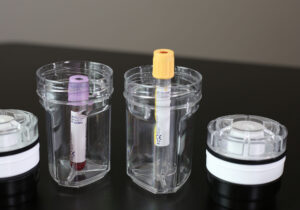
- Dried Blood Spot Testing
- Important Questions to Ask During Testing
- InnoVero Sample Collection Equipment
- Pre-Competition Anti-Doping Checklist
- Recreational Athlete Checklist
- Registered Testing Pool
- Sample Collection
- Sitting Before Blood Sample Collection
- Urine Sample Collection – 90 mL
- Whereabouts
Supplements
- 5-Alpha-Hydroxy-Laxogenin
- All-Natural Supplements
- Buffers and Anti-Doping Rules: What Athletes Should Know About Sodium Bicarbonate
- Calcium Supplements
- Caffeine
- Compounding Pharmacies
- Ecdysteroids
- Creatine
- Energy Drinks
- Fish Oil Supplements
- Food v. Supplements
- Half-Life of a Drug
- High-Risk Supplements
- Ketones
- Magic Mushrooms
- Medications v. Supplements
- Melatonin
- Nitric Oxide
- NSF Certified for Sport Supplements
- Poppy Seeds
- Research Chemicals
- Retesting Samples
- Screen your Supplements
- Supplements – Clean Sport Red Flag
- Supplement Legislation
- Supplement Myths
- Supplement Use – 3 Things to Know
- TUEs – 3 Things to Know
- Vitamin C Supplements
The Prohibited List – Substances and Methods
Non-Approved Substances
Diuretics & Masking Agents
Anabolic Agents
Anabolic Androgenic Steroids (AAS)
Other Anabolic Agents
Cannabinoids
Peptide Hormones, Growth Factors, Related Substances, and Mimetics
- Erythropoieten (EPO)
- Hypoxia-Inducible Factor (HIF) Activating Agents
- Insulin-like Growth Factor-1 (IGF-1)
- GLP-1s
- Peptide Hormones and their Releasing Factors
- Sermorelin
- 6 Things to Know about Peptide Hormones
- Peptides and Growth Factors in Cosmetics: Are They Banned?
Manipulation of Blood and Blood Components
Gene and Cell Doping
Chemical and Physical Manipulation
Beta-2 Agonists
Hormone and Metabolic Modulators
- Aromatase Inhibitors
- SERMs
- Metabolic Modulators
#AskUSADA
Answers to Your Questions on Substances
25 seconds
#AskUSADA – Can I donate plasma and/or blood if I’m a drug tested athlete?
On this episode of #AskUSADA, Science Director, Laura Lewis, PhD, shares whether athletes are able to donate blood and/or plasma while following anti-doping rules.
To learn more, click here.
45 seconds
#AskUSADA – What is a non-approved substance and why are they prohibited?
On this episode of #AskUSADA, Chief Science Officer, Matt Fedoruk, PhD, discusses what a non-approved substance is and why they are prohibited in sport by the World Anti-Doping Agency.
To learn more, click here.
1 minute
#AskUSADA – Are energy drinks safe to use?
On this episode of #AskUSADA, Science Director, Laura Lewis, PhD, discusses whether energy drinks are safe to drink.
To learn more, click here.
40 seconds
#AskUSADA – Are third-party certified CBD products safe?
On this episode of #AskUSADA, Chief Science Officer, Matt Fedoruk, PhD, discusses the whether third-party tested CBD products are safe for drug tested athletes.
To learn more, click here.
1 minute
#AskUSADA – What is third-party certification and does USADA promote any supplements?
On this episode of #AskUSADA, Chief Science Officer, Matt Fedoruk, PhD, explains what third-party certification is for dietary supplements and whether or not USADA promotes any supplements.
To learn more about dietary supplements, click here.
25 seconds
#AskUSADA – Is caffeine prohibited in sport?
On this episode of #AskUSADA, Science Director, Laura Lewis, PhD, discusses whether caffeine is prohibited in sport.
To learn more, click here.
45 seconds
#AskUSADA – Does USADA play a part in substances or methods being added to the Prohibited List?
On this episode of #AskUSADA, Science Director, Laura Lewis, PhD, discusses how USADA submits recommendations to the World Anti-Doping Agency for Prohibited List updates.
To learn more, click here.
25 seconds
#AskUSADA – Is birth control prohibited in sport?
On this episode of #AskUSADA, Science Director, Laura Lewis, PhD, discusses whether hormonal birth control is prohibited in sport.
To learn more, click here.
1 minute
#AskUSADA – Is creatine prohibited?
On this episode of #AskUSADA, Chief Science Officer, Matt Fedoruk, PhD, discusses what drug tested athletes need to know about creatine.
To learn more, click here.
45 seconds
#AskUSADA – How can I tell if a product is a dietary supplement?
On this episode of #AskUSADA, Chief Science Officer, Matt Fedoruk, PhD, discusses what is a dietary supplement by definition, and how athletes can know whether a product is one.
To learn more about dietary supplements, click here.
30 seconds
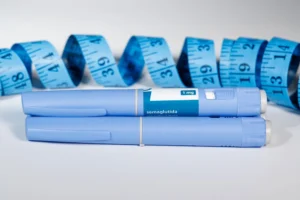
#AskUSADA – Is Ozempic prohibited in sport?
On this episode of #AskUSADA, Science Director, Laura Lewis, PhD, discusses whether semaglutide is prohibited in sport.
To learn more, click here.
45 seconds
#AskUSADA – Are online pharmacies safe?
On this episode of #AskUSADA, Chief Science Officer, Matt Fedoruk, PhD, discusses the safety of online pharmacies, especially for drug tested athletes.
To learn more, click here.
#AskUSADA
Answers to Your Questions on Testing
40 seconds
#AskUSADA – What is a refractometer?
On this episode of #AskUSADA, Operations and Special Projects Director, Juan Caraveo, discusses a tool used during the sample collection process.
To learn more about sample collection, click here.
30 seconds
#AskUSADA – Can I volunteer to be in a testing pool?
On this episode of #AskUSADA, Elite Education Director, Tammy Hanson, discusses whether athletes can add themselves to a testing pool.
To learn more about testing, click here.
35 seconds
#AskUSADA – Is testing random?
On this episode of #AskUSADA, Elite Education Director, Tammy Hanson, discusses whether testing is random or targeted.
To learn more, click here.
30 seconds
#AskUSADA – Can I call someone to show up to be my rep during the testing process?
On this episode of #AskUSADA, Operations and Special Projects Director, Juan Caraveo, discusses how athletes can have a representative during the sample collection process.
To learn more about sample collection, click here.
30 seconds
#AskUSADA – Will a DCO tell me if I do something wrong during sample collection?
On this episode of #AskUSADA, Operations and Special Projects Director, Juan Caraveo, discusses how doping control officers can assist athletes during sample collection.
To learn more about sample collection, click here.
30 seconds
#AskUSADA – What happens to my sample after it’s shipped?
On this episode of #AskUSADA, Operations and Special Projects Director, Juan Caraveo, discusses the journey of a sample.
To learn more about sample collection, click here.
30 seconds
#AskUSADA – Why is it important to ask for a DCO’s credentials?
On this episode of #AskUSADA, Operations and Special Projects Director, Juan Caraveo, discusses the importance of asking for a Doping Control Officer’s credentials.
To learn more about sample collection, click here.
30 seconds
#AskUSADA – How are athletes selected and notified for testing?
On this episode of #AskUSADA, Operations and Special Projects Director, Juan Caraveo, discusses how athletes are selected and notified for drug testing.
To learn more about sample collection, click here.
1 minute
#AskUSADA – What can I expect when I go to the doping control station at an event?
On this episode of #AskUSADA, Operations and Special Projects Director, Juan Caraveo, discusses what athletes can expect when brought to a doping control station at an event.
To learn more about sample collection, click here.
25 seconds
#AskUSADA – Can someone help me pour or seal my sample during a test?
On this episode of #AskUSADA, Operations and Special Projects Director, Juan Caraveo, discusses whether an athlete can ask for help during the sample collection process.
To learn more about sample collection, click here.
35 seconds
#AskUSADA – Do I get to pick between a blood or urine test?
On this episode of #AskUSADA, Elite Education Director, Tammy Hanson, discusses whether an athlete can choose the type of test they take.
To learn more about testing, click here.
30 seconds
#AskUSADA – What happens if I don’t have enough pee for a sample?
On this episode of #AskUSADA, Operations and Special Projects Director, Juan Caraveo, discusses the next steps if an athlete doesn’t have enough urine for a sample.
To learn more about sample collection, click here.
1 minute
#AskUSADA – Once I retire from sport, can I still compete in events? Will I be tested?
On this episode of #AskUSADA, Elite Education Director, Tammy Hanson, discusses whether athletes can still compete after retiring from sport.
To learn more about retirement, click here.
50 seconds
#AskUSADA – Why might an athlete be added to a testing pool?
On this episode of #AskUSADA, Elite Education Director, Tammy Hanson, discusses why an athlete is added to a USADA testing pool and how long they will be in a pool.
To learn more about testing, click here.
30 seconds
#AskUSADA – What should an athlete do if something seems off with the sample collection process?
On this episode of #AskUSADA, Elite Education Director, Tammy Hanson, discusses what an athlete should do if something is wrong with the sample collection process.
To learn more about sample collection, click here.
#AskUSADA
Answers to Your Questions on TUEs and Anti-Doping Science
50 seconds
#AskUSADA – What are the rules around IVs?
On this episode of #AskUSADA, Science Director, Laura Lewis, PhD, discusses the rules around intravenous injections for drug tested athletes.
To learn more, click here.
50 seconds
#AskUSADA – How is the science and testing keeping up with the doping?
On this episode of #AskUSADA, Chief Science Officer, Matt Fedoruk, PhD, discusses how anti-doping science and testing is keeping up with dopers.
To learn more, click here.
1 minute
#AskUSADA – What does “consent to research” mean?
On this episode of #AskUSADA, Science Director, Laura Lewis, PhD, discusses what “consent to research” means on the doping control form.
To learn more, click here.
1 minute
#AskUSADA – Why doesn’t USADA use hair samples for testing for substances?
On this episode of #AskUSADA, Chief Science Officer, Matt Fedoruk, PhD, discusses using hair samples for testing.
To learn more, click here.
1 minute
#AskUSADA – How do I know if I need a TUE for a prescribed medication?
On this episode of #AskUSADA, Chief Science Officer, Matt Fedoruk, PhD, discusses how athletes can determine if they need a therapeutic use exemption for a prescribed medication.
To learn more, click here.
45 seconds
#AskUSADA – What should I do if pain killers are needed for an injury or planned surgery?
On this episode of #AskUSADA, Science Director, Laura Lewis, PhD, discusses what drug tested athletes should know about using painkillers for injury or planned surgery.
To learn more, click here.
40 seconds
#AskUSADA – What is cell or gene doping?
On this episode of #AskUSADA, Chief Science Officer, Matt Fedoruk, PhD, explains the details of cell and gene doping and what it means for drug tested athletes.
To learn more, click here.
40 seconds
#AskUSADA – How long is a TUE valid for?
On this episode of #AskUSADA, Chief Science Officer, Matt Fedoruk, PhD, discusses for how long therapeutic use exemptions are valid.
To learn more, click here.
40 seconds
#AskUSADA – Can a drug tested athlete participate in a clinical trial?
On this episode of #AskUSADA, Science Director, Laura Lewis, PhD, discusses whether an athlete can participate in a medical clinical trial while following anti-doping rules.
To learn more, click here.
50 seconds
#AskUSADA – What can I do if my TUE application is denied?
On this episode of #AskUSADA, Chief Science Officer, Matt Fedoruk, PhD, discusses what drug tested athletes can do if their therapeutic use exemption application is denied.
To learn more, click here.
40 seconds
#AskUSADA – Can I receive PRP injections as a drug tested athlete?
On this episode of #AskUSADA, Science Director, Laura Lewis, PhD, discusses the anti-doping rules when it comes to platelet-rich plasma (PRP) injections.
To learn more, click here.
1 minute
#AskUSADA – Can I receive stem cell injections?
On this episode of #AskUSADA, Science Director, Laura Lewis, PhD, discusses whether drug tested athletes can receive stem cell injections.
To learn more, click here.
45 seconds
#AskUSADA – Can I use an EpiPen if I’m a drug tested athlete?
On this episode of #AskUSADA, Science Director, Laura Lewis, PhD, discusses when Epipens can be used for emergencies for drug tested athletes.
To learn more, click here.
40 seconds
#AskUSADA – What is blood doping?
On this episode of #AskUSADA, Science Director, Laura Lewis, PhD, discusses the details of blood doping, including EPO.
To learn more, click here.
45 seconds
#AskUSADA – What do I do if I have a medical emergency requiring prohibited substances?
On this episode of #AskUSADA, Science Director, Laura Lewis, PhD, discusses how athletes should apply for a retroactive TUE if obtaining emergency medical treatment.
To learn more, click here.
#AskUSADA
Answers to Your Questions on Results Management
45 seconds
#AskUSADA – In what ways are athlete support personnel subject to anti-doping rules?
On this episode of #AskUSADA, Chief Legal and Operations Officer, Jeff Cook, discusses the rights and responsibilities to those who assist drug tested athletes.
To learn more, click here.
30 seconds
#AskUSADA – What are the consequences of a doping violation?
On this episode of #AskUSADA, Chief Legal and Operations Officer, Jeff Cook, discusses the consequences athletes may face if they commit a doping violation.
To learn more about results management, click here.
30 seconds
#AskUSADA – My friend got an AAF. What is that?
On this episode of #AskUSADA, Chief Legal and Operations Officer, Jeff Cook, explains what is an AAF.
To learn more about results management, click here.
25 seconds
#AskUSADA – How will I find out the results of my sample that was collected?
On this episode of #AskUSADA, Chief Legal and Operations Officer, Jeff Cook, discusses how athletes receive drug test results from USADA.
To learn more about results management, click here.
25 seconds
#AskUSADA – Can I be coached by someone currently serving a doping suspension?
On this episode of #AskUSADA, Chief Legal and Operations Officer, Jeff Cook, discusses what is prohibited association.
To learn more about results management, click here.
30 seconds
#AskUSADA – What should I do if I suspect or know details of doping?
On this episode of #AskUSADA, Chief Legal and Operations Officer, Jeff Cook, discusses how athletes can help report doping suspicions.
To learn more, click here.
20 seconds
#AskUSADA – Why would somebody get a lifetime ban vs four years?
On this episode of #AskUSADA, Chief Legal and Operations Officer, Jeff Cook, discusses the variation in doping ban lengths.
To learn more about results management, click here.
20 seconds
#AskUSADA – Does USADA publicly announce violations?
On this episode of #AskUSADA, Chief Legal and Operations Officer, Jeff Cook, discusses how and why USADA announces anti-doping rule violations.
To learn more about results management, click here.